Cobot Welding & Cutting for Contract Manufacturing
Cobot Welding & Cutting for Contract Manufacturing
Contract Manufacturing
Backed by a Team with Centuries of Combined Automation Experience
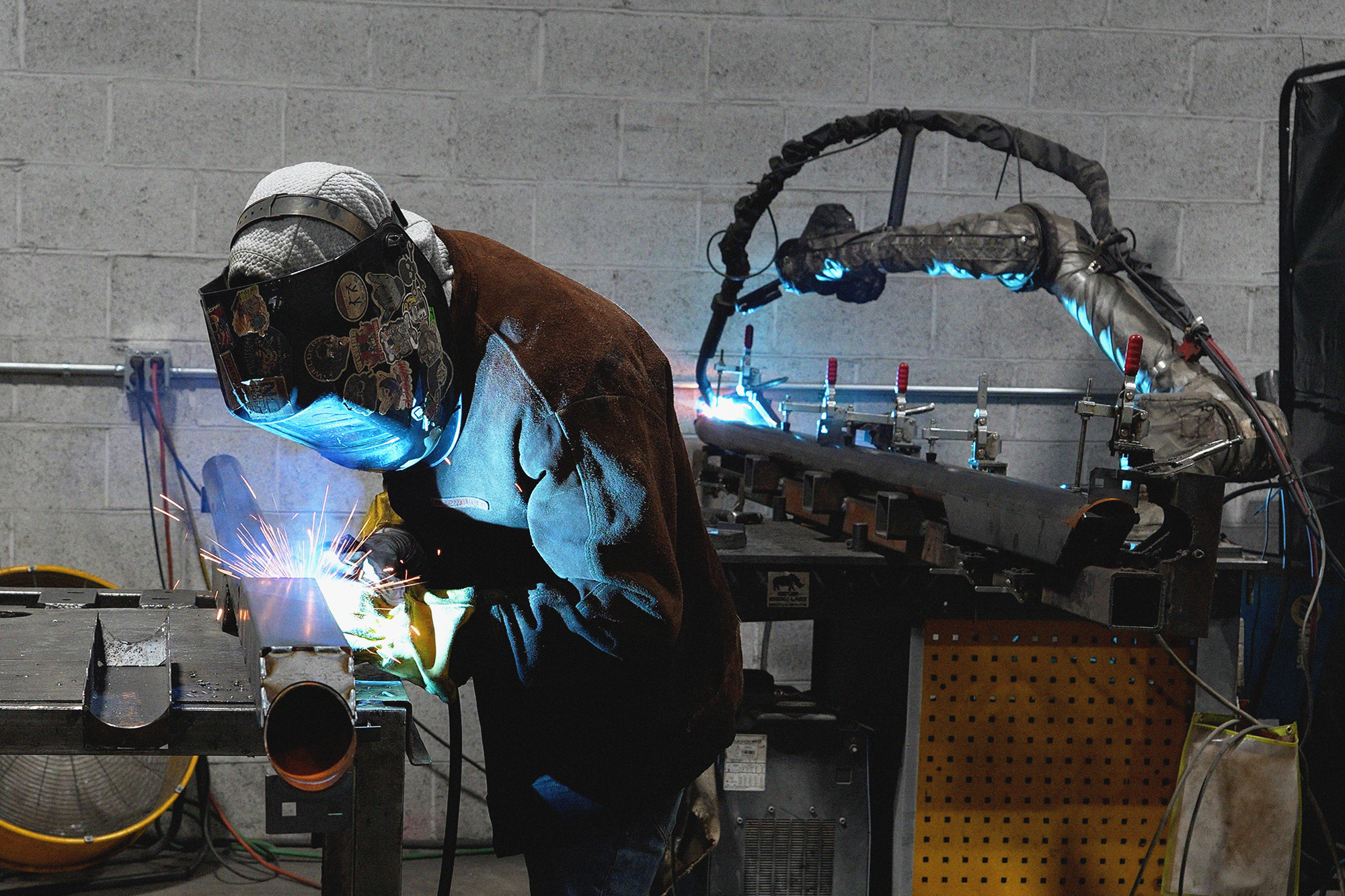
Contract manufacturers are automating their welding and cutting applications with field-proven Vectis cobot tools, freeing skilled fabricators to focus on higher-value work while boosting per-part productivity by 3-4x on average.
Vectis systems excel in high-mix, low-to-medium volume environments, helping shops tackle long welds, multipass work, stitch welds, and other arc-on-intensive applications, including projects supporting industries such as construction, infrastructure, energy, and data center expansion.
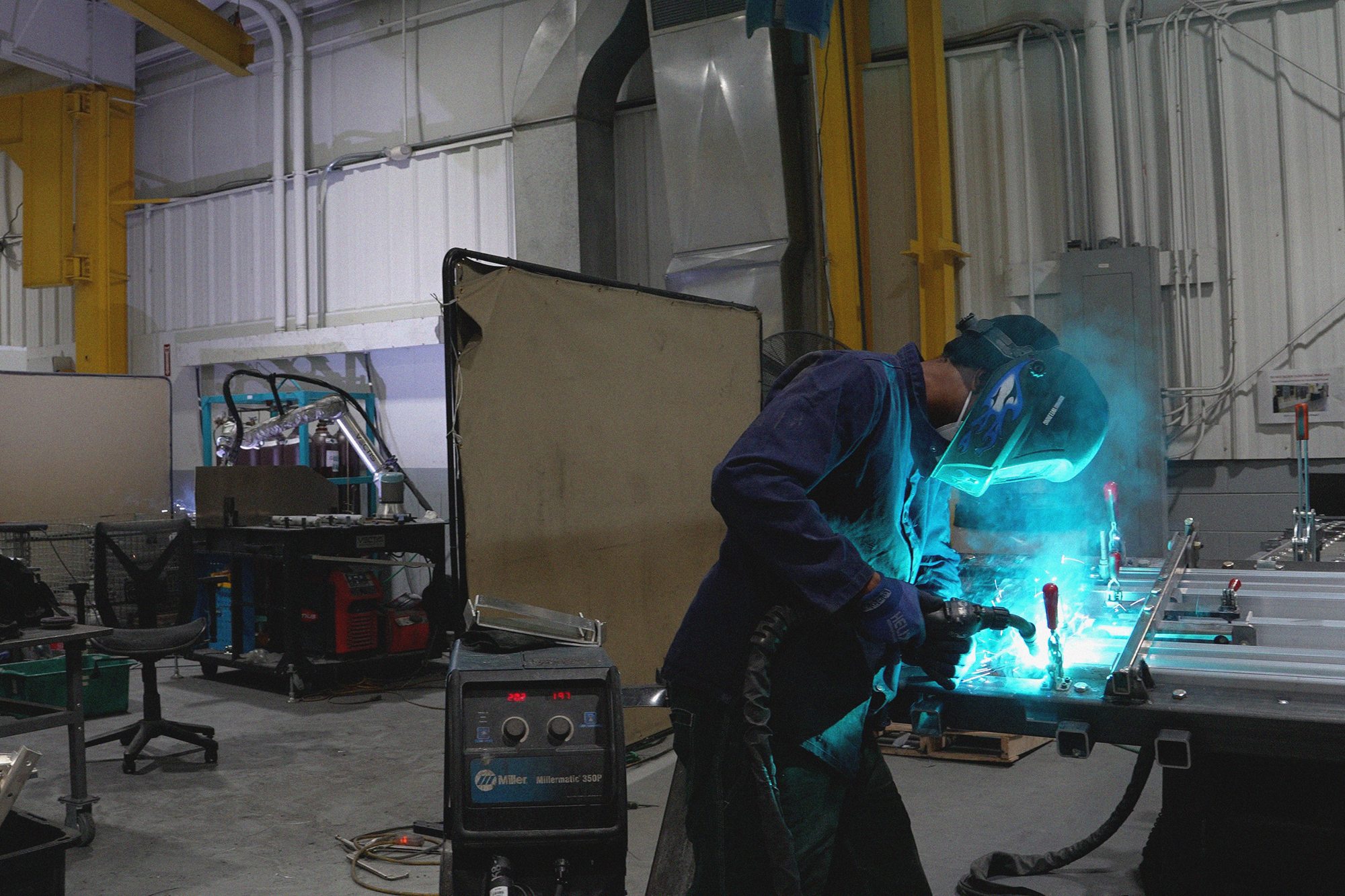
Proven in Real Shops
“We increased throughput by 450% with the Vectis, and eliminated grinding thanks to the perfect bead.”
— Travis H. (COO, YB Welding & Fab)
“The support with Vectis has been the reason we keep coming back. The integrator is absolutely everything.”
— Jack C. (President, Caltech Manufacturing)
Automation Built for
High-Mix Contract Manufacturing
Vectis software tools help contract manufacturers reduce programming time, simplify changeovers, and reduce boring arc-on time. Vectis features like QuickTeach™, Pattern Tool, ArcPilot™, Touch Sensing, Seam Tracking and AI Path Optimization make it easier to deploy cobot welding across a wide range of parts and materials.
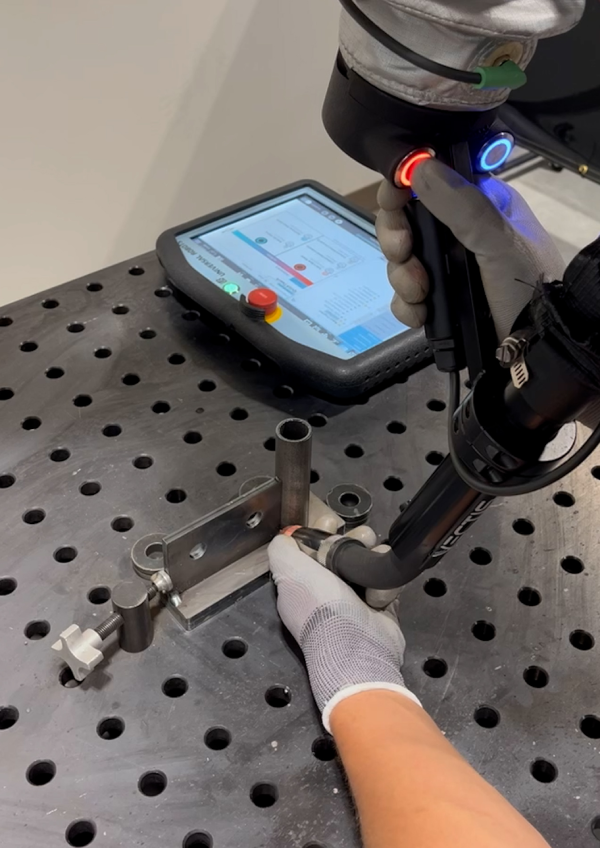
QuickTeach™
AI Path Optimization empowers any cobot champion to quickly become a high-speed Cobot Wizard.

Program once, replicate weld patterns throughout complex assemblies.
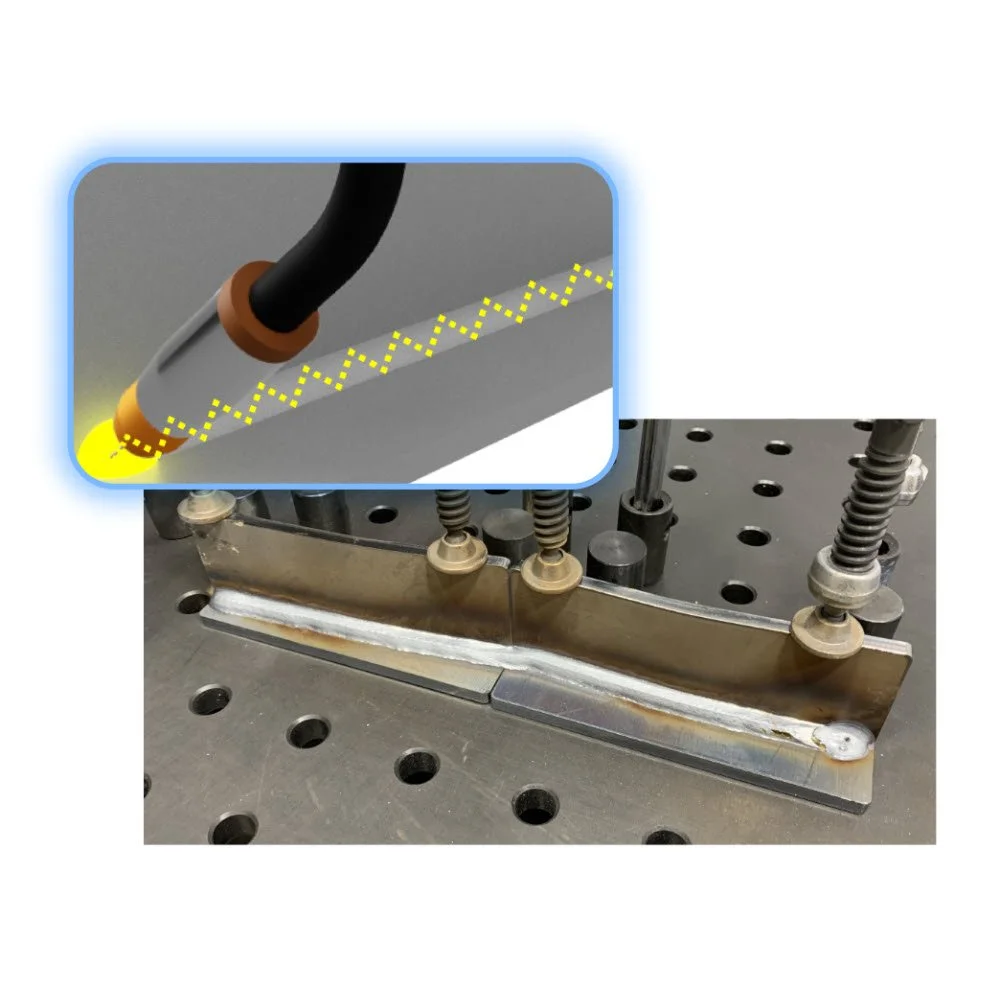
ArcPilot™ Seam Tracking
ArcPilot™ Seam Tracking
Program once, replicate weld patterns throughout complex assemblies.
AI Path Optimization empowers any cobot champion to quickly become a high-speed Cobot Wizard.
Through-the-arc seam tracking, adjusting to fit-up and part variation.
Through-the-arc seam tracking, adjusting to fit-up and part variation.
What Contract Manufacturers are Seeing

Boosting per-part productivity by 3-4x on average
Removing miserable post-weld grind time
Freeing skilled welders for higher-value work
Flexibility across many materials and thicknesses
Contract Manufacturers Are Using Vectis Tools For:
Long welds

Medium/high volume production
Multipass
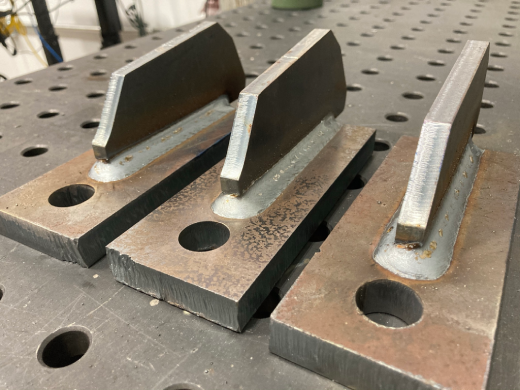
Plug welds
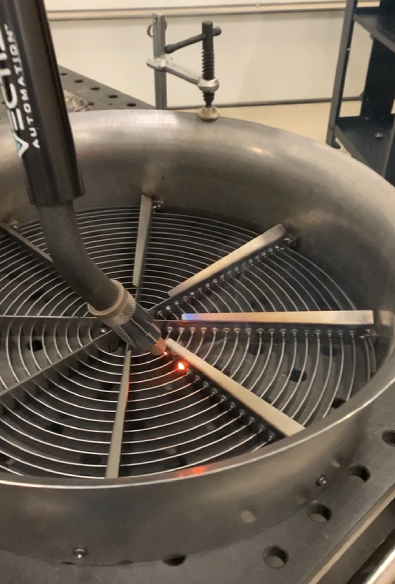
Patterns
Seal welds
X-ray & UT welds
Much more!
See How Caltech Manufacturing Eliminates Welding Bottlenecks While Scaling Alongside Increased Capacity
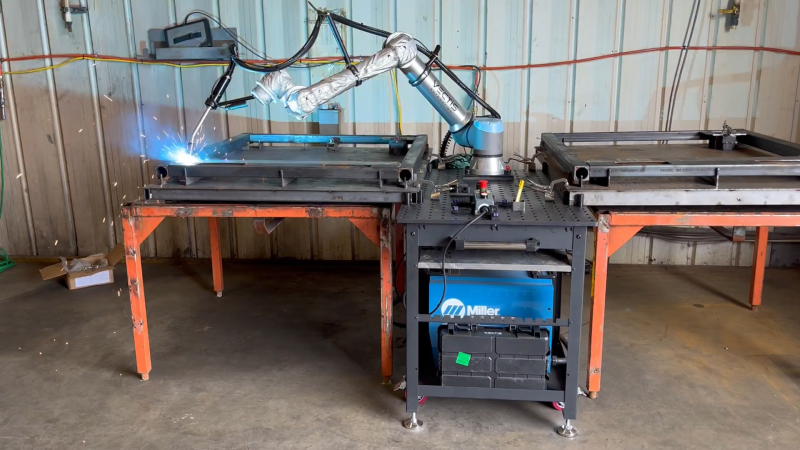

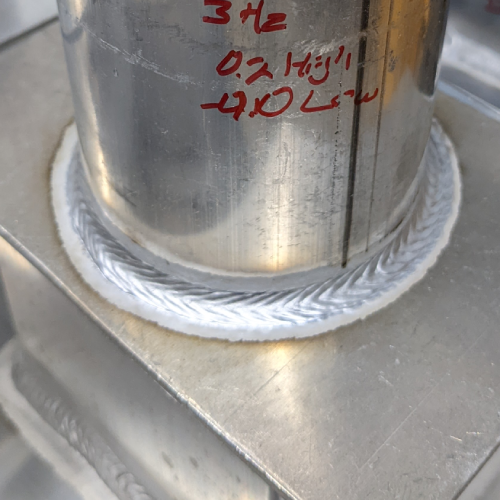
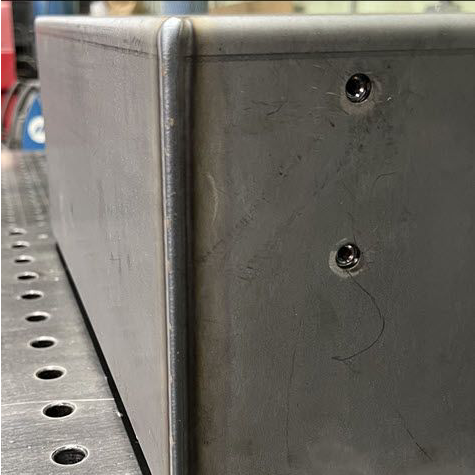
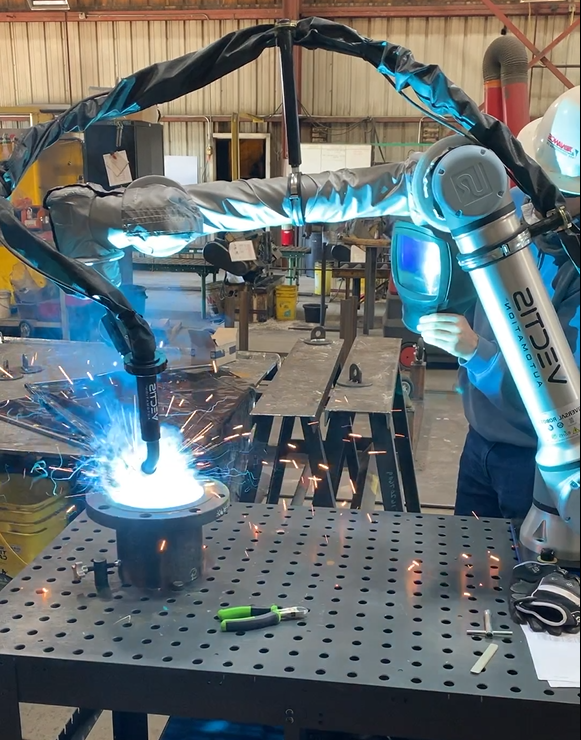
Efficient Automation

For Smaller Parts and Subassemblies
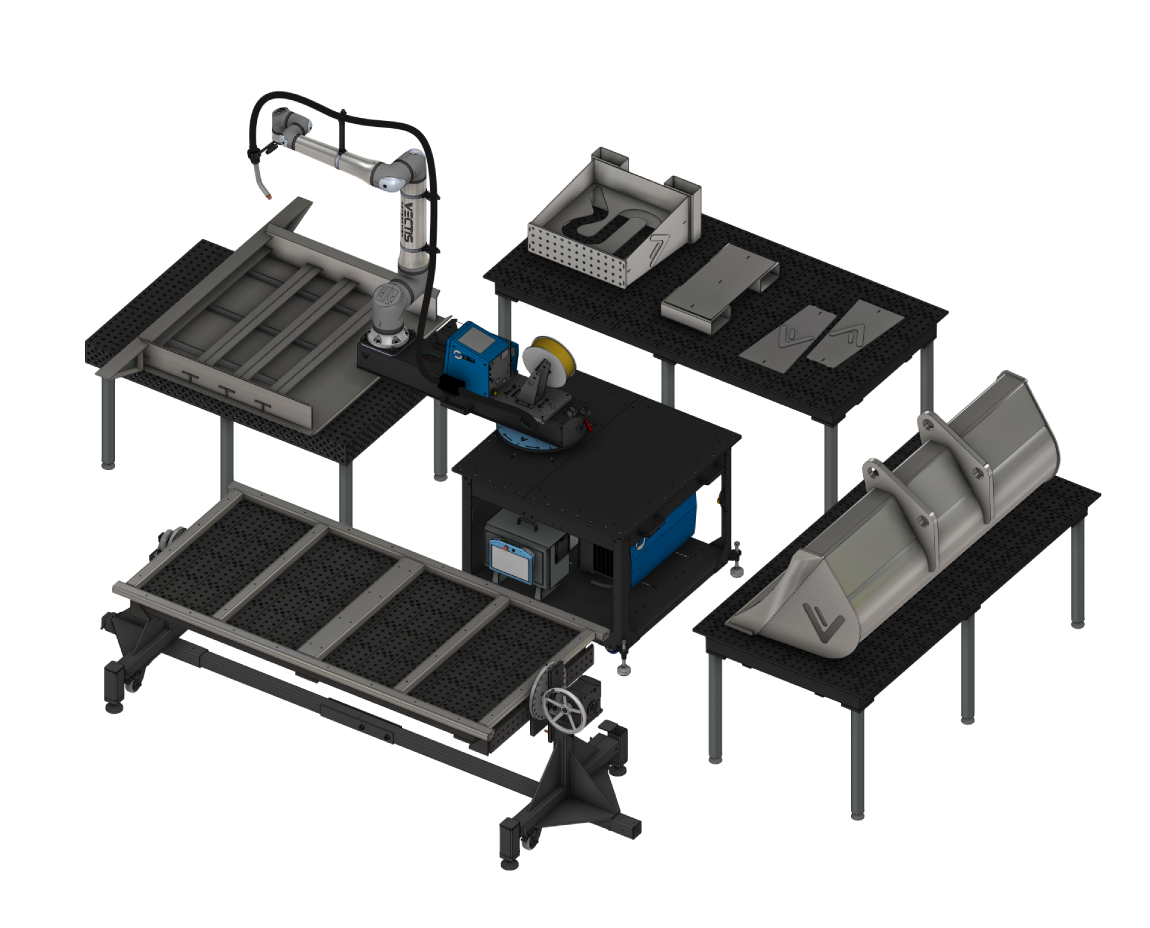
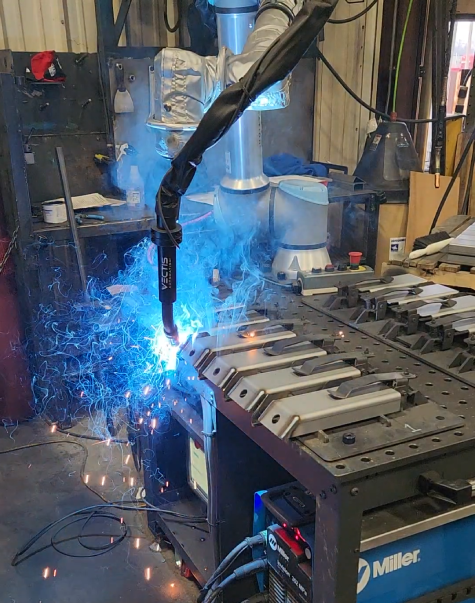
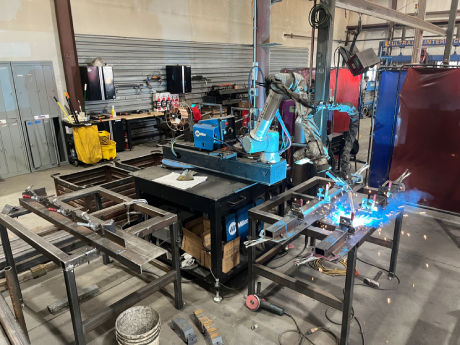
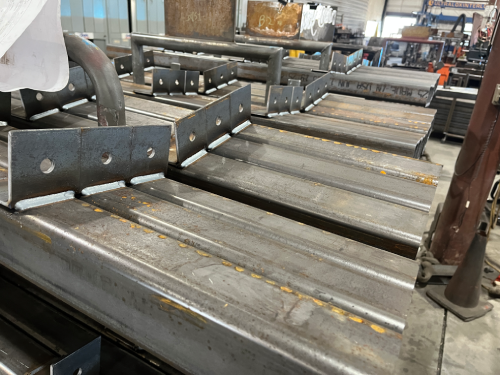
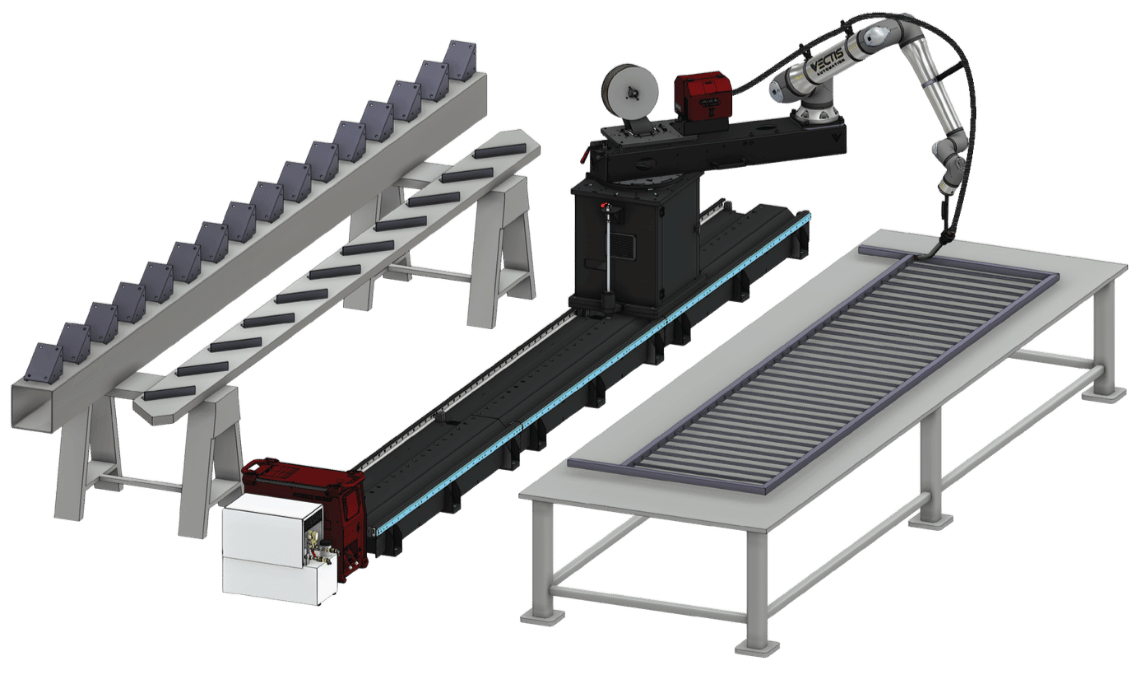
From brackets and boxes to common subassemblies, Vectis systems help manufacturers automate smaller weldments while maintaining the flexibility required for high-mix production. Dedicated fixtures and organized workstations simplify part handling and support consistent results across a wide range of applications.
While the Vectis system is welding on one table, manufacturers can prepare the next job on the other by loading parts, staging material, and setting fixturing. By handling setup and production at the same time, shops can minimize downtime and keep work flowing efficiently from one cycle to the next.
Built for a Wide Range of
Parts and Materials
Vectis deployment options adapt to the size and demands of your applications. Whether you're welding large structural assemblies, heavy fabrication projects, or throughput-driven production weldments, Vectis systems can be configured to support the way you build.
Built Around Application Support and Long-Term Success
Built Around Application Support and Long-Term Success
The Vectis team brings centuries of combined robot welding experience to every automation project. We begin each project with a thorough application evaluation to determine if your application is a viable fit for cobot automation. Beyond application fit, we partner with your team to share tried and true best practices for successful implementation and long-term success.
Our focused team of application experts offers lifetime support with:



Programming best practices
Layout recommendations for your parts and workflow
Ongoing guidance from our applications team as your needs evolve
Cycle time estimates using proven real-world weld parameter data
Common Questions From Contract Manufacturers About Cobot Welding
-
Many contract manufacturers using Vectis systems run production batches between 20 and 1,000 parts. The ideal fit depends on factors like weld time, part complexity, fit-up consistency, and how often a job repeats. In many cases, shops achieve strong results even on smaller batch sizes when welding is a production bottleneck or when the same family of parts is run repeatedly throughout the year. The key consideration is whether the time saved during welding outweighs the setup effort required.
-
Yes! Contract manufacturers commonly use Vectis systems to weld carbon steel, stainless steel, aluminum, and other alloys across a wide range of thicknesses. Many shops run multiple material types through the same welding cell, allowing them to automate a broader mix of customer work without dedicating a system to a single product line. The exact capabilities depend on the welding package, consumables, fixturing, and application requirements. Most customers running multiple materials group production by material and wire type.
-
High-mix contract manufacturers often face labor shortages, frequent changeovers, and inconsistent throughput. Tools like QuickTeach™, Pattern Tool, Stitch Tool, and AI Path Optimization help reduce programming effort and simplify transitions between jobs. This allows operators to spend less time teaching weld paths and more time moving work through the shop. Consistent weld quality can reduce or eliminate post-weld cleanup, enabling many fabricators to send parts straight to paint. The result is a more practical automation workflow for manufacturers who build many different parts rather than running the same product all day.
-
Vectis systems can automate a wide variety of MIG, metal-core, and flux-core welding applications across carbon steel, stainless steel, aluminum, and other materials. In many cases, manual TIG can be converted to cobot MIG (driven by application requirements). Common applications include long welds, multipass welds, stitch welds, seal welds, plug welds, structural fabrication, and production weldments that require consistent quality and repeatability. The best fit depends on the welding process, part geometry, material condition, and application requirements.