“My shop crew would mutiny if I took their Vectis Cutter away”
Ackerman & Baynes | Baltimore, MD
At a Glance
MANUFACTURER TYPE

Bridge Fabrication, Custom Metal Fabrication
CHALLENGE

Manual cutting, drilling, milling, and coping made complex structural components labor-intensive and difficult to complete within demanding project timelines.
APPROACH

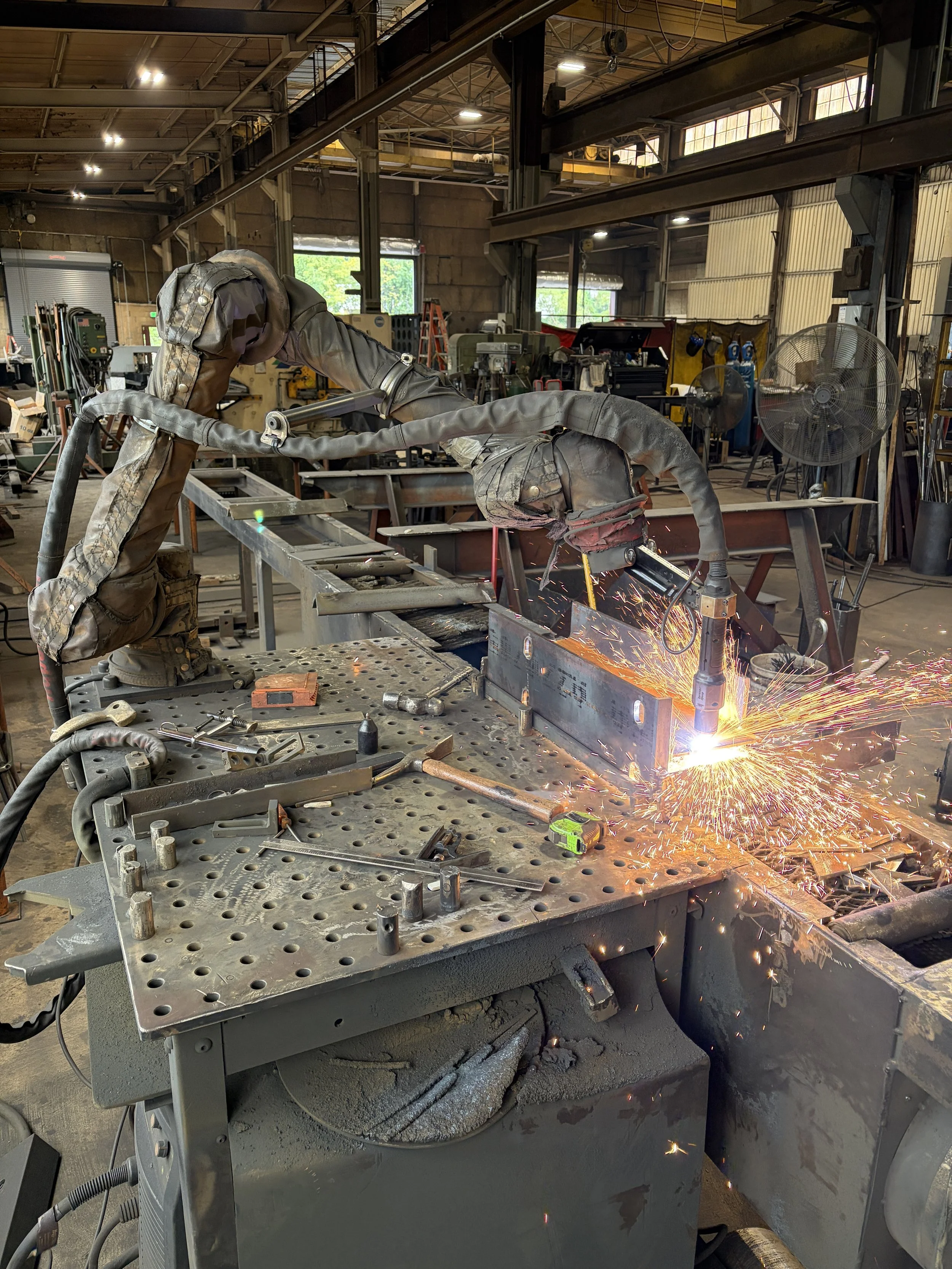
Implemented a Vectis cobot plasma cutting system to automate multiple cutting processes with one system.
OUTCOME

• Consolidated multiple cutting processes into one flexible system
• Reduced manual cutting, drilling, grinding, and milling processes
• Improved estimating accuracy and competitiveness
• Paid for investment several times over
WHY IT MATTERS

Five years later, the Vectis Cutter is so key to everyday production that their shop crew would “mutiny” without it.
Ackerman & Baynes has been fabricating steel since the 1940s.
Today, the AISC-certified fabricator makes bridge components, highway sign structures, tanks, hoppers, structural steel, and many other custom products. Much of their work supports Department of Transportation projects where complex requirements and firm deadlines leave little room for production delays.
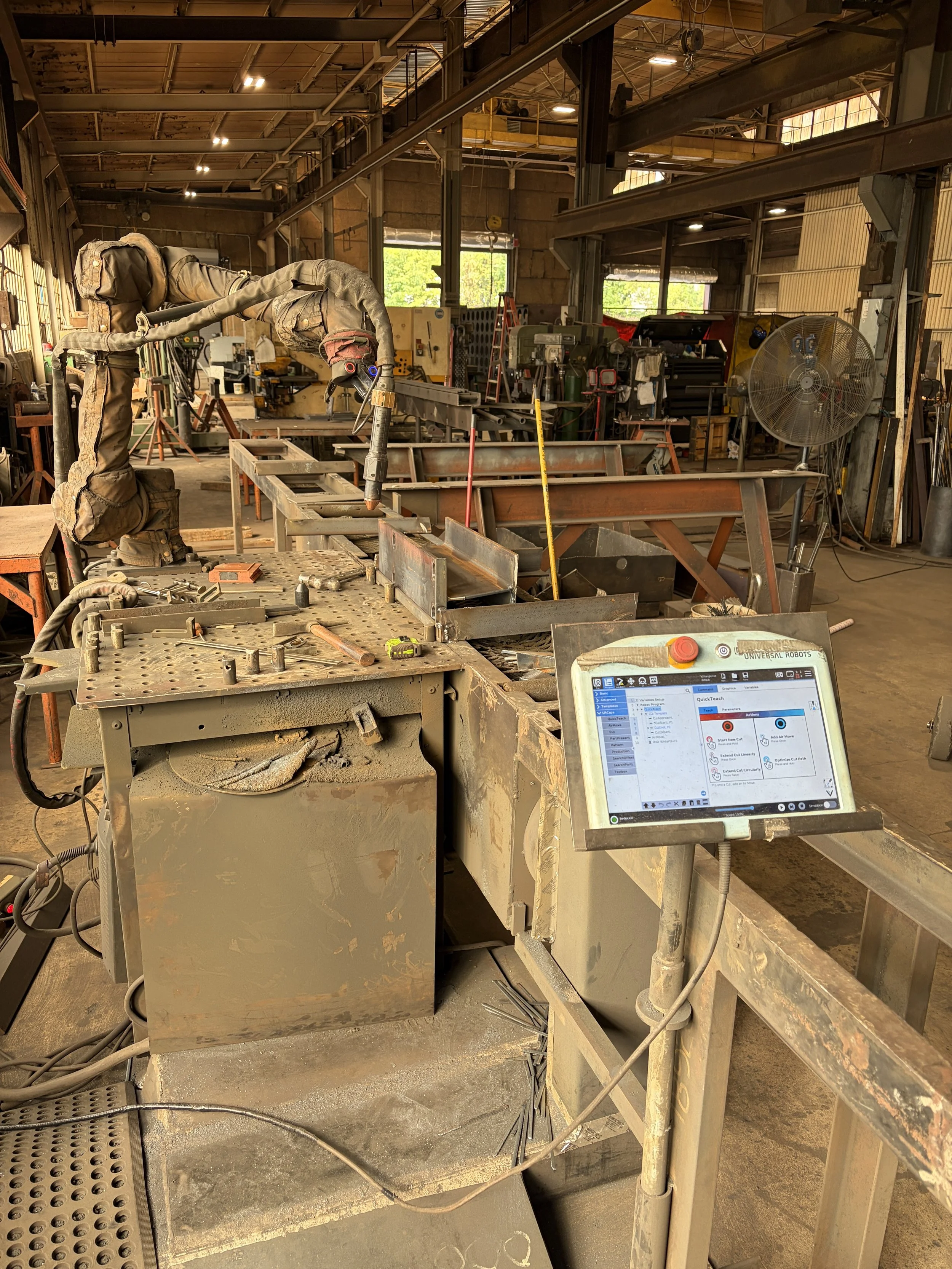
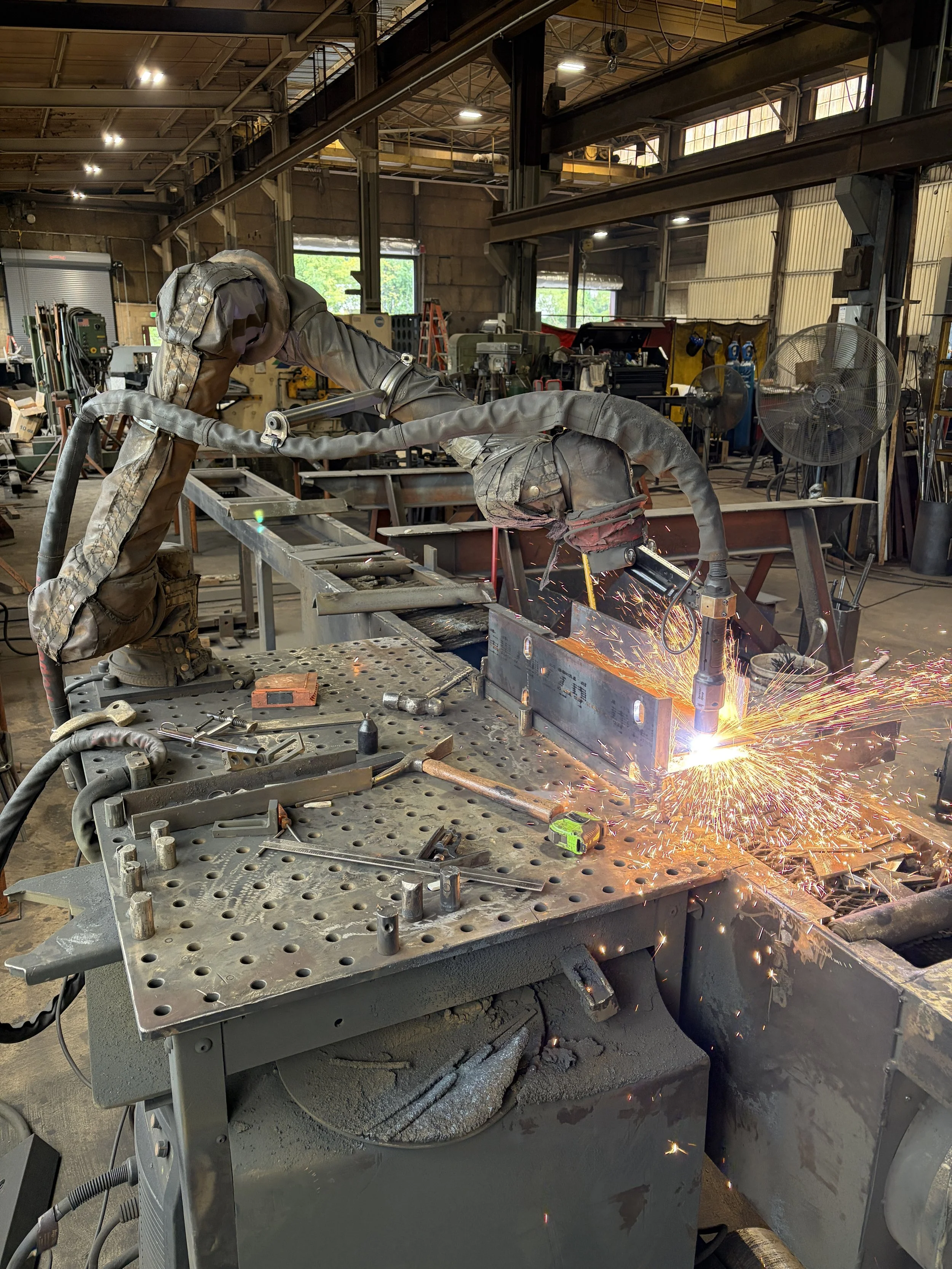
In 2021, Ackerman & Baynes implemented an early Vectis plasma cutting system (Serial Number 3). Five years later, the production-worn cobot is still cutting complex 3D shapes almost every day.
“It’s safe to say the Vectis Cutter has paid for itself several times over in the last five years.
Matt Smith (Project Manager and Plant Manager, Ackerman & Baynes)
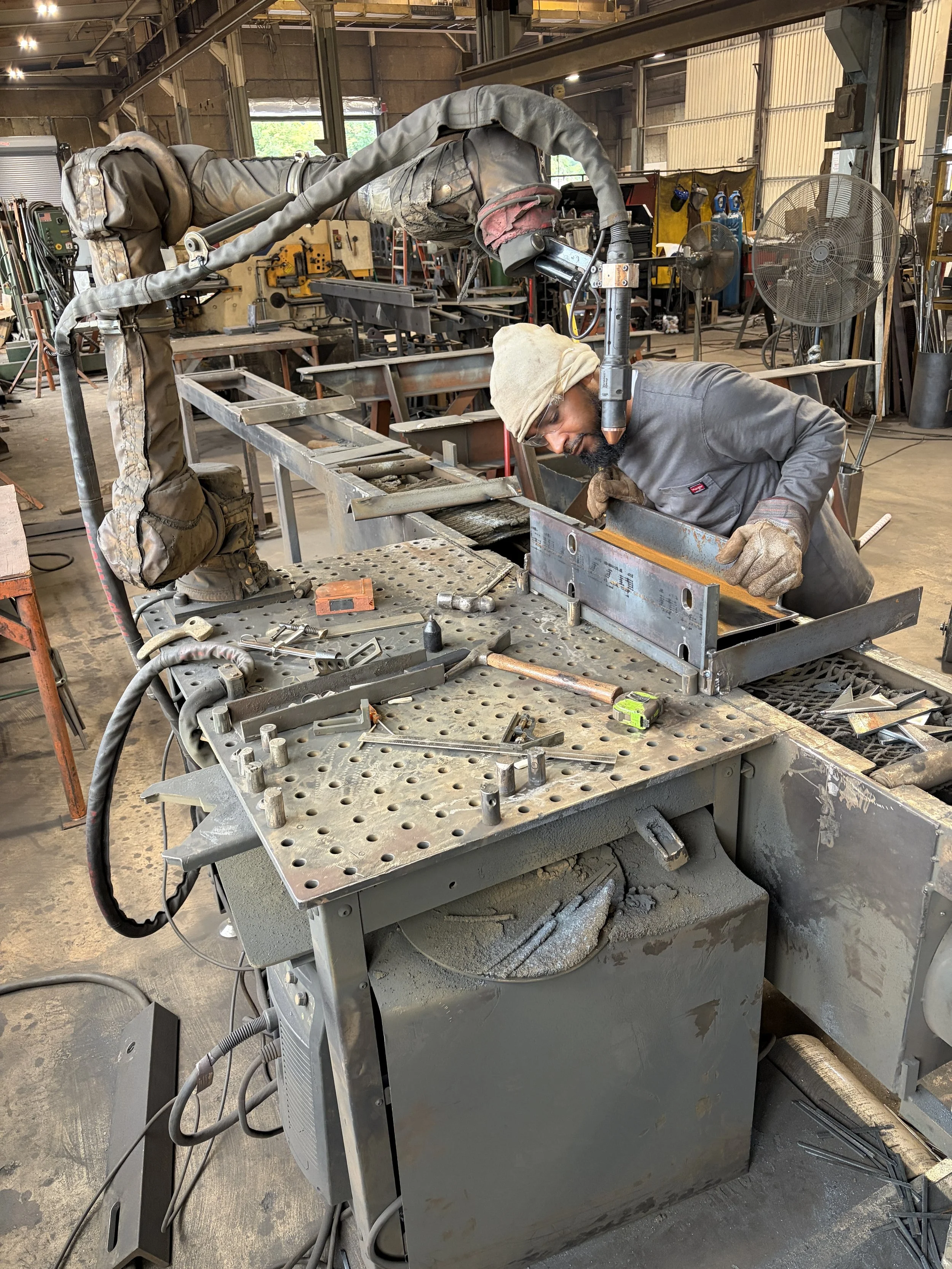
The Challenge
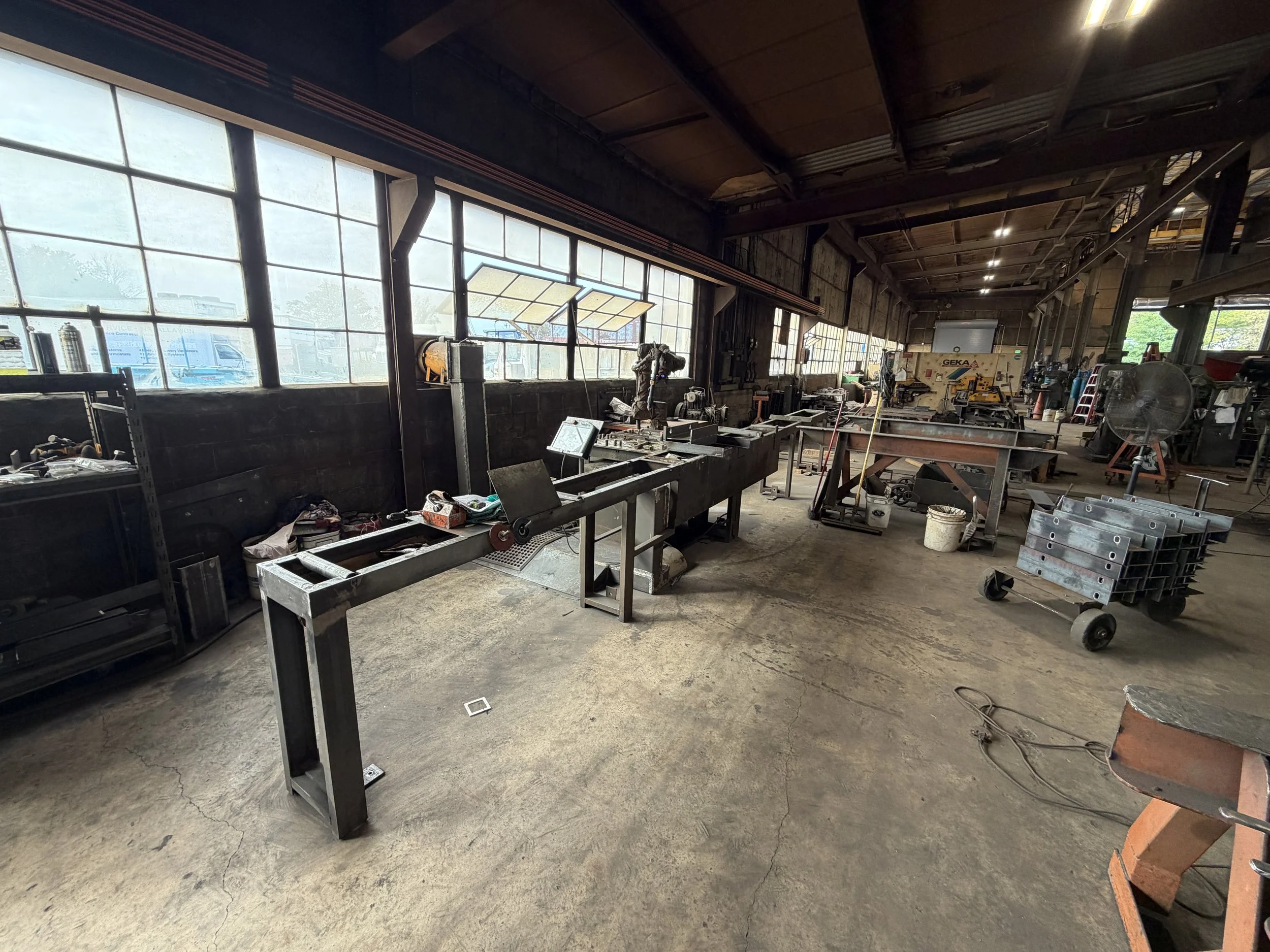
Before implementing a Vectis system, Ackerman & Baynes relied on a makeshift plasma cutting setup to accommodate longer structural parts. The table was limited to cutting in the flat position and could not complete vertical cuts around the part.
Dedicated structural cutting lines could provide that capability, but they were not practical for the available floor space. For complex structural parts, workers relied on hand cutting, drilling, and milling to produce features such as slots and copes.
The Vectis system provided a more a more flexible solution with a smaller footprint, allowing the team to keep the workpiece stationary while the cobot moved around it to complete the cuts.
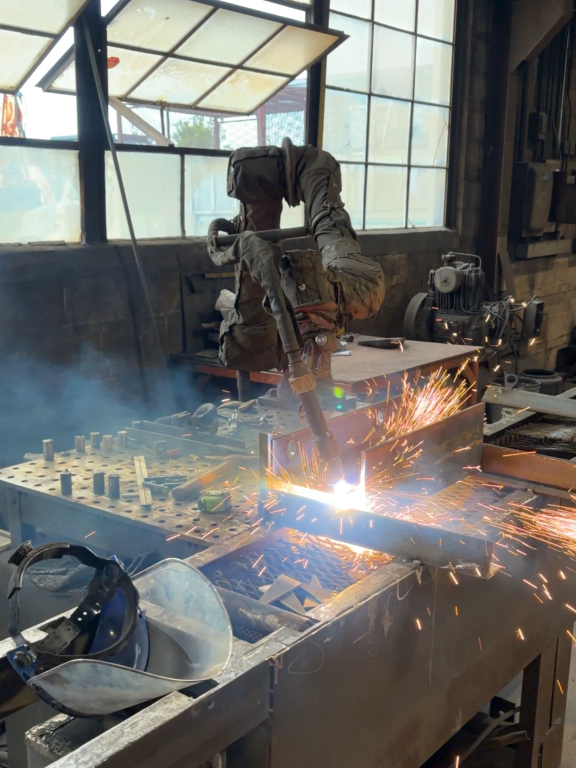
Footage from the original Vectis application evaluation for Ackerman & Baynes
Proving Value from the First Application
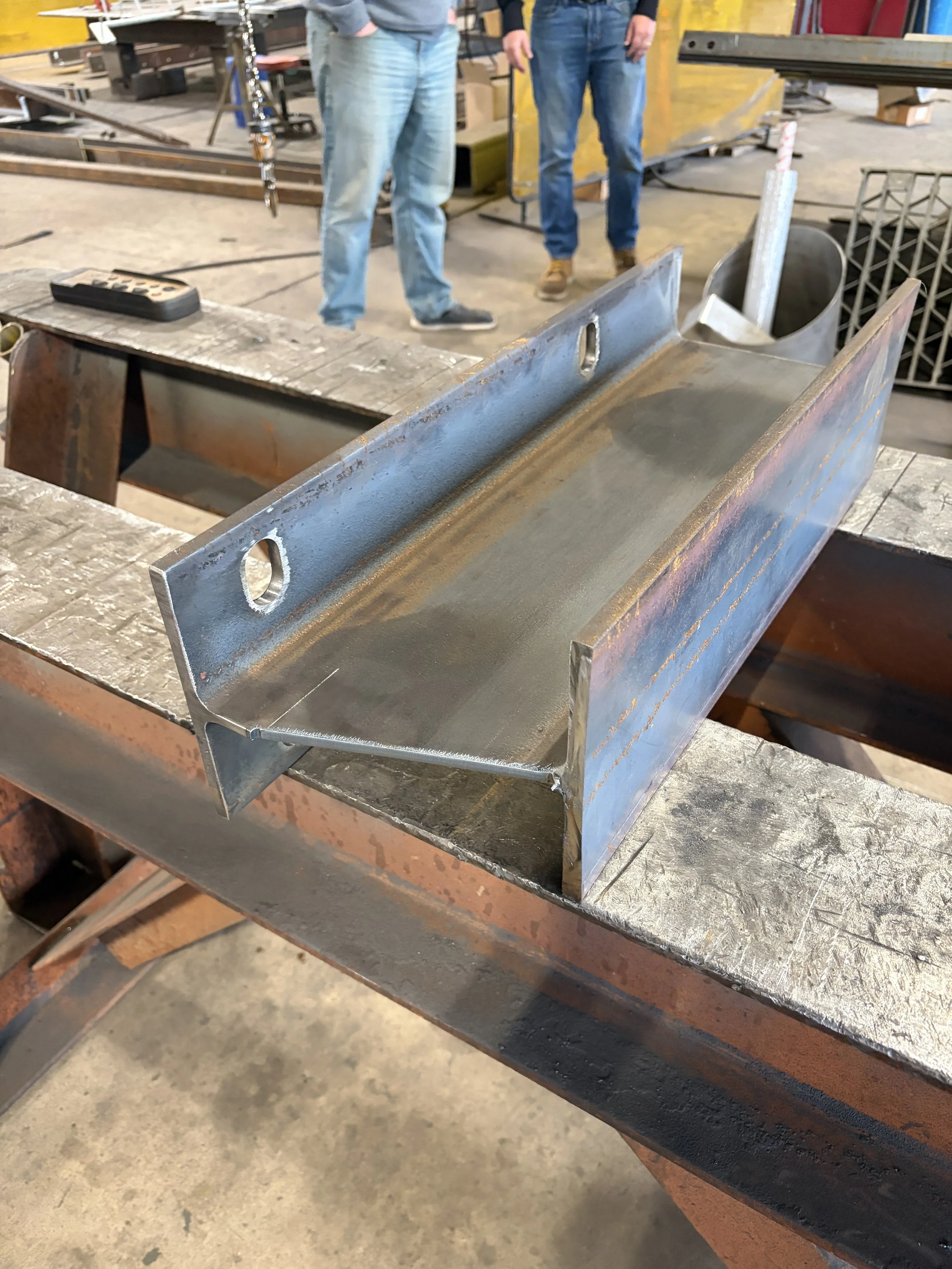
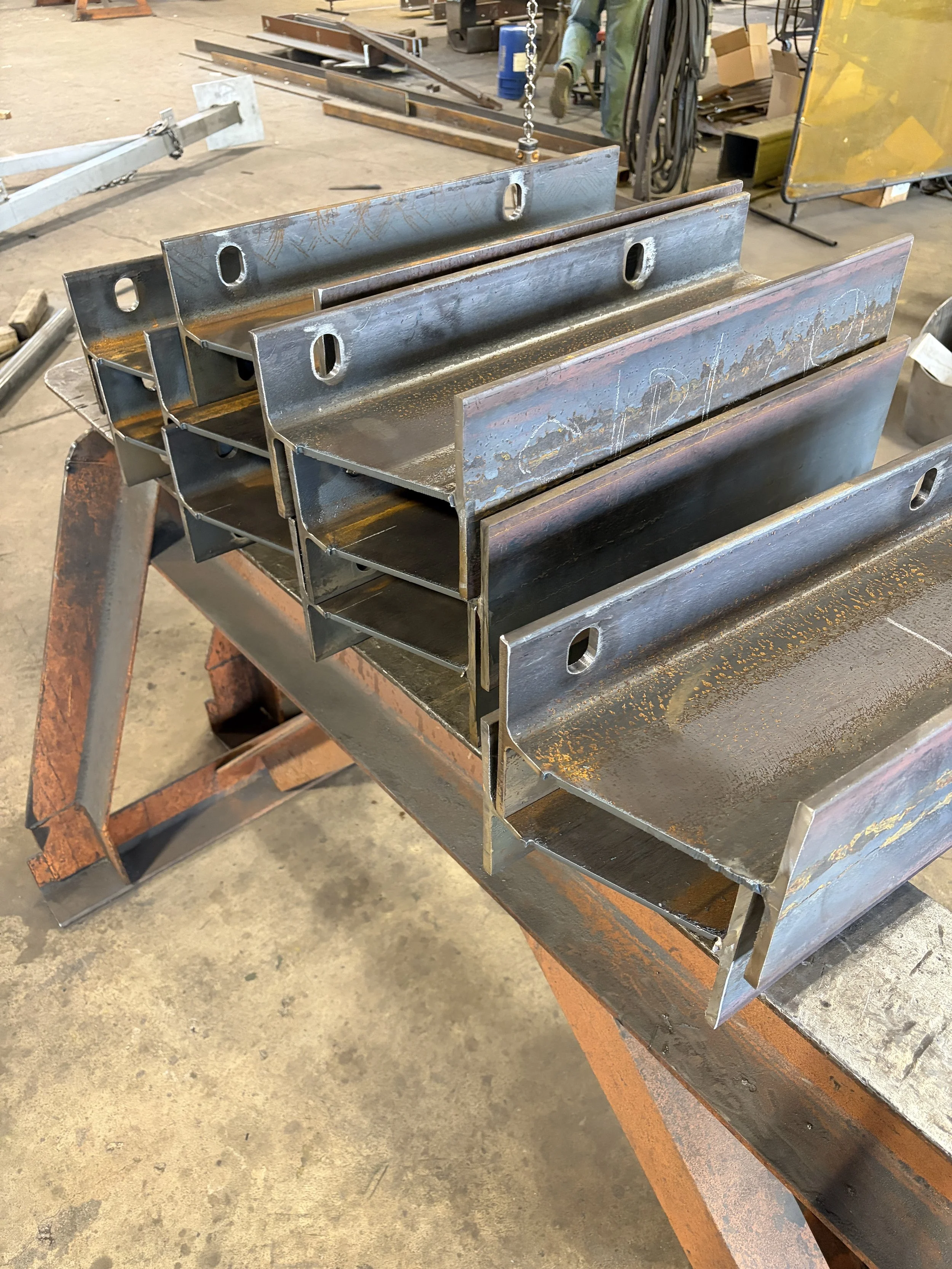
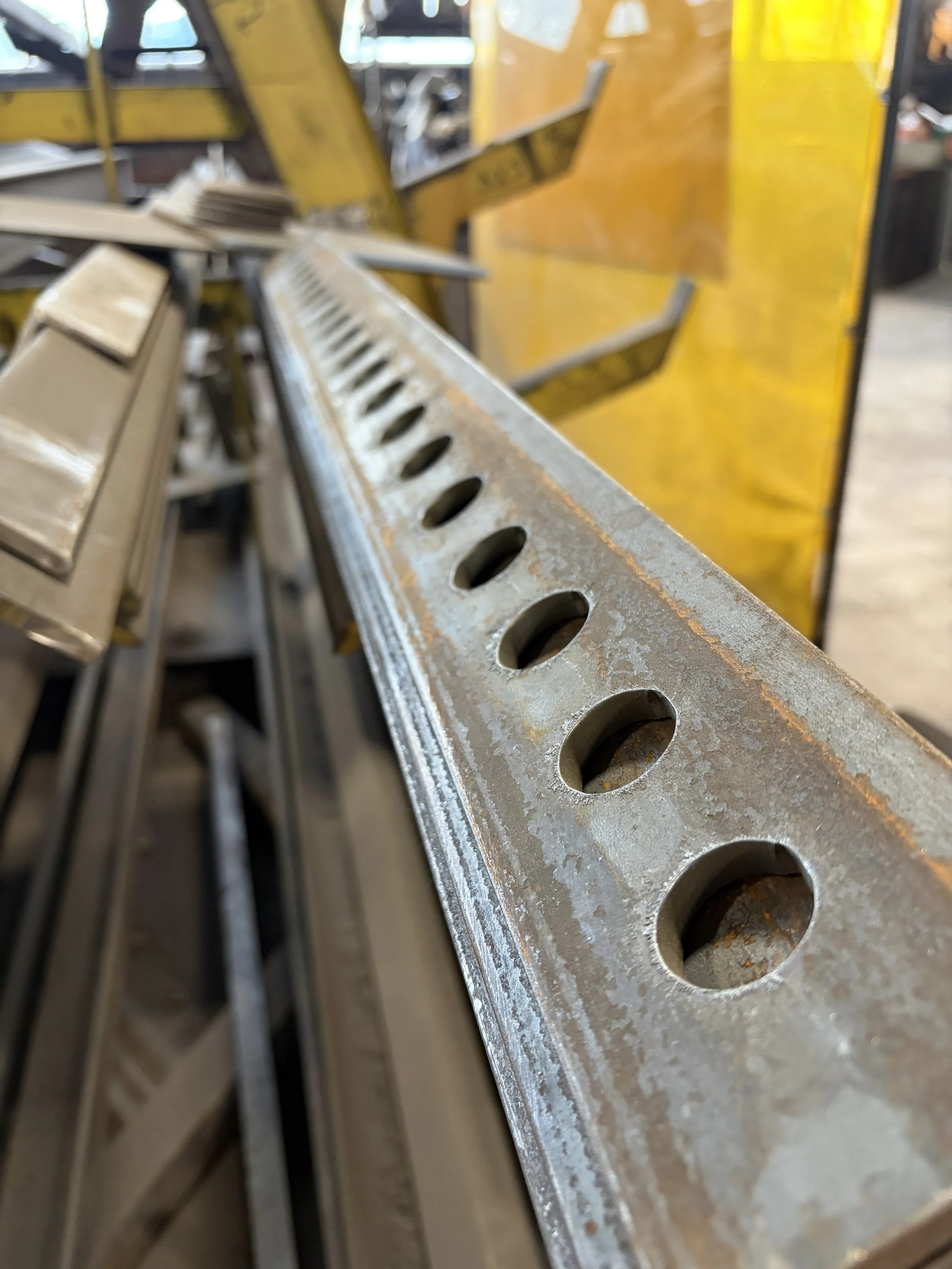
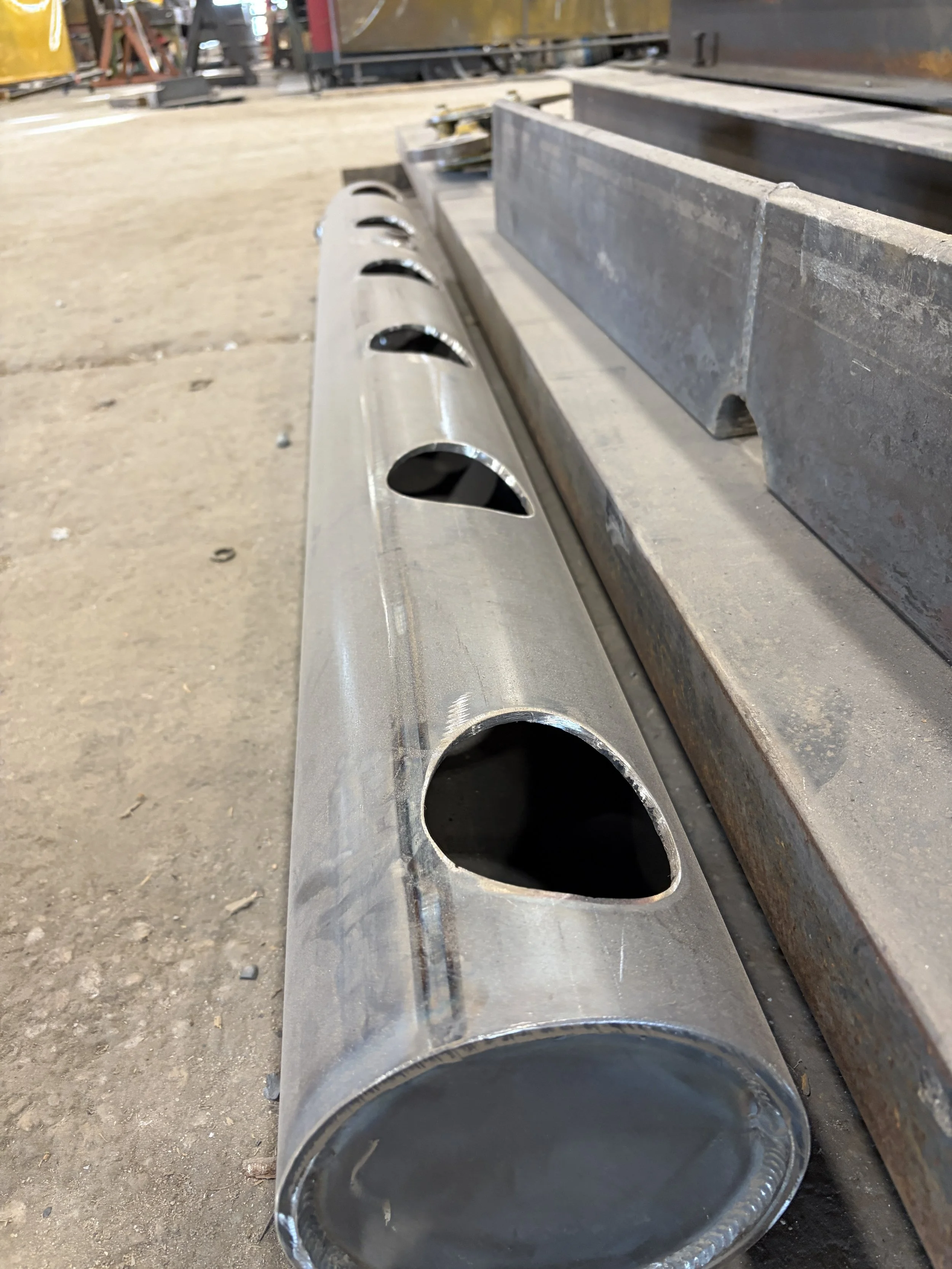
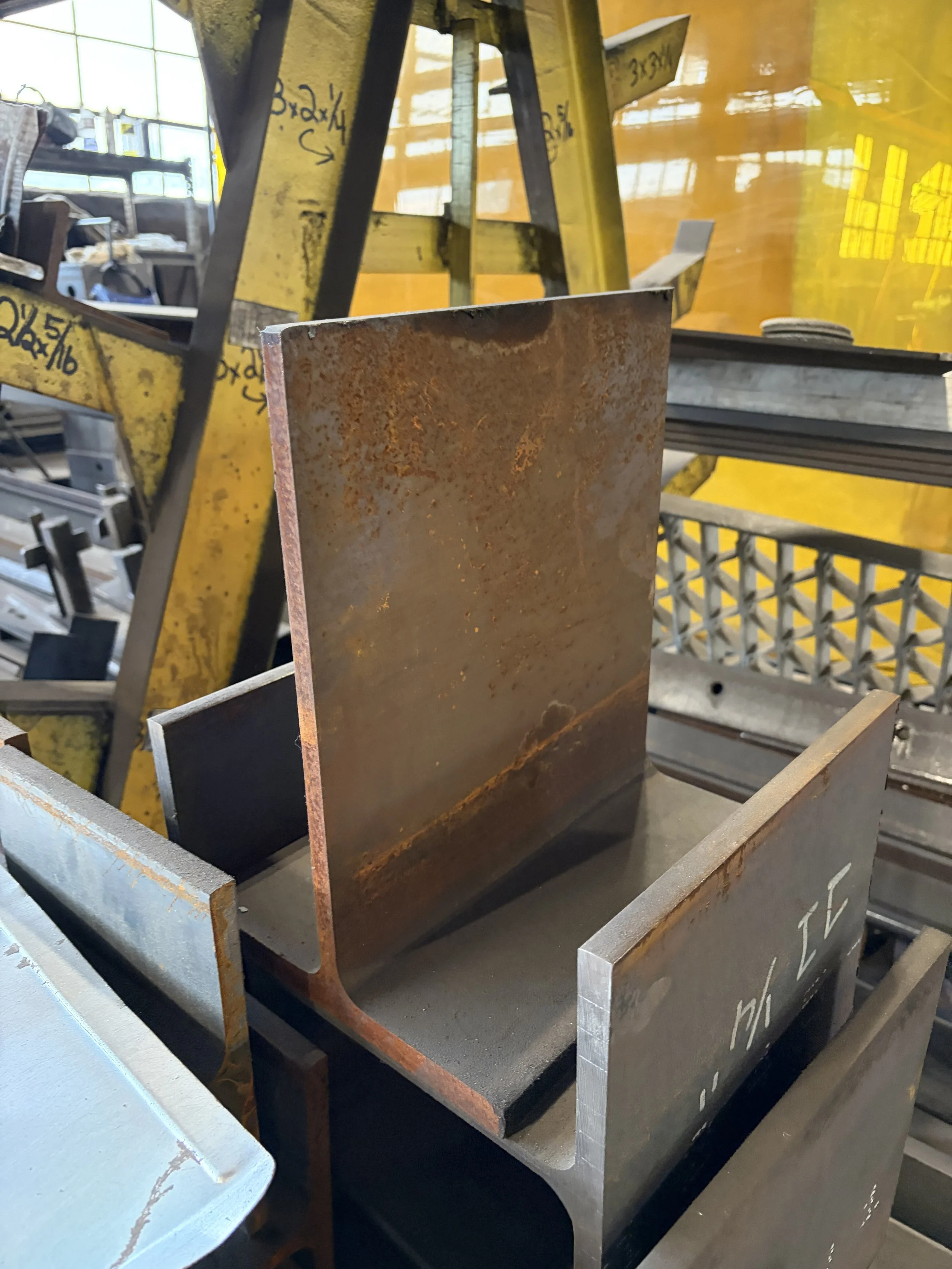
Ackerman & Baynes began with a clearly defined project involving half-inch-thick angle iron with slots, radius cuts, and copes.
Previously, the team drilled and milled the slots before completing the copes by hand. The work was slow and required several different tools — “it was just a pain”, recalls Matt Smith, Project Manager and Plant Manager at Ackerman & Baynes.
The Vectis plasma cutting tool brought those operations together at one machine, giving the team a clear first win. By lending a hand with work employees already knew was difficult and time-consuming, the application helped demonstrate the practical value of automation.
The impact was immediate. “Once the robot got set up and we started rolling with it, we never went back the old way,” says Matt.
That first project established confidence in the system and encouraged the team to find other applications. Today, the cobot has become the go-to cutting tool across the shop.
“Even today, unless it’s just one part that needs a cope, we’re probably taking it over to the robot,” Matt continues.
“My sales team would mutiny too [if we took the cutter away]”
As the Vectis plasma cutter became part of everyday production, its impact spread beyond the shop floor.
Previously, estimates relied on general production rates for processes such as hand torching. Now, the team could go to the machine, create a program to dry run, and know exactly how long a project would take.
“You can actually go to the machine and say, ‘Well, what’s the runtime?’” says Matt.
That information helps the company account for the time saved compared with hand cutting. “We’re able to have a better price in the long run because we know that it’s not going to take as long as it would to hand-cut it,” Matt explains.
Its value now extends from production to sales. As Matt puts it:
“I think my sales team would mutiny too [if we took the cutter away], because they’re able to be more competitive on lead time and pricing with it.”
Compressing Lead Times, Winning More Business
For Ackerman & Baynes, meeting demanding project schedules directly affects the work the company can win. “A lot of our jobs are Department of Transportation work, so deadlines are huge,” says Matt. “If I had to do a whole truckload of angle diaphragms by hand, I’m not making a deadline.”
The Vectis plasma cutter compresses production time and enables their team to meet tight project deadlines with greater confidence. Operators spend less time manually cutting features, milling slots, moving components between processes, and cleaning up after cutting.
“You’re compressing the time in different areas,” Matt explains. “I don’t have to mill slots or punch slots, and it’s all done at one machine. Compressing the lead time with the cobot has allowed us to win business we wouldn’t have otherwise.”
5 Years of Daily Production
As the third Vectis cutting system sold, Ackerman & Baynes was an early adopter of cobot plasma cutting. Five years later, the production-worn system continues cutting complex 3D shapes almost every day. The team has become so reliant on the system that Matt says his shop crew “would mutiny” if it were taken away.
“There would be a riot.”
Matt also points out how Vectis has helped with troubleshooting, repairs, and phone support when employees needed assistance. “If we ever had an issue, our guys were talking to your guys on the phone, and Vectis was walking us through it right away.”
What began as a solution for one angle iron project has become an everyday cutting tool that makes difficult work easier, supports demanding lead times, and helps the company compete for new business.
For manufacturers evaluating automation, Matt recommends beginning with a clear application that can deliver an early win. “Make sure you have the type of work in the beginning to use whatever machine you buy,” he says. “Get your feet wet and get going, and then see where you can apply it later.”
That approach proved successful for Ackerman & Baynes. According to Matt:
“It’s safe to say the Vectis Cutter has paid for itself several times over in the last five years.”