“Paid for Itself on the First Job” While Improving Welder Safety
Intercon | Kansas City, MO
At a Glance
MANUFACTURER TYPE

Shipbuilding/Heavy Fabrication
CHALLENGE

Preventing exposure to safety risks from confined space welding, automating welding on massive marine parts
VECTIS APPROACH
Deployed a Vectis Rover™ (UR10e cobot arm) with multipass capability, enabling operators to teach welds and execute remotely
OUTCOME

• Achieved ROI on the first production job
• Eliminated the need for confined space welding on critical components
• Reduced weld fume exposure and operator safety risks
• Delivered consistent, certified welds
WHY IT MATTERS

Improved operator safety and working conditions while maintaining weld quality and on massive weldments
Introduction
Intercontinental Engineering-Manufacturing Corporation (Intercon) designs and manufactures heavy machinery for the marine, defense, and heavy industry sectors. Their work supports critical applications where quality, reliability, and safety are non-negotiable.
The sheer size of Intercon’s parts and the hazardous confined space welding requirements lead Intercon to invest in a Vectis cobot welding tool. This investment paid for itself on the very first job by leveraging Vectis multipass programming capability, increasing efficiency and weld quality while dramatically improving welder quality-of-life and safety.
Vectis tools allow adaptable human welders to teach the weld directly at the part, and then retreat to a safe distance while the cobot lays down consistent, high-quality, code-passing welds.
“Traditional ROI calculations don’t fully capture the value of preventing injuries, minimizing weld fume exposure, and improving welder comfort.”
Intercon’s full account of their experience
Intercon purchased its first [traditional] robotic welding cell in 2020 to support US Navy programs.
We learned a lot from that experience, as much about our own parts and processes as we did about automation and robotics.
In 2025, the sheer size of the parts we produce led us to invest in our first cobot welding system from Vectis Automation. The system paid for itself on the first job it was deployed on.
One thing that we have learned from our experience with welding automation is that the efficiency and weld quality are fantastic, but those are just the obvious benefits. Our latest cobot from Vectis Automation was purchased specifically to allow us to eliminate confined space welding on a critical component of our ATB Couplers. Confined space welding dangers range from heat exhaustion, to asphyxiation, to fire, to electrocution. In short, confined space welding is to be avoided at all costs. The welder trains the cobot in a confined space, but after training they are able to withdraw to a safe distance while the cobot lays down the weld seam.
Traditional ROI calculations don’t fully capture the value of preventing injuries, minimizing weld fume exposure, and improving welder comfort.
Even without a precise financial metric, the safety and well-being benefits make this a clear success.”
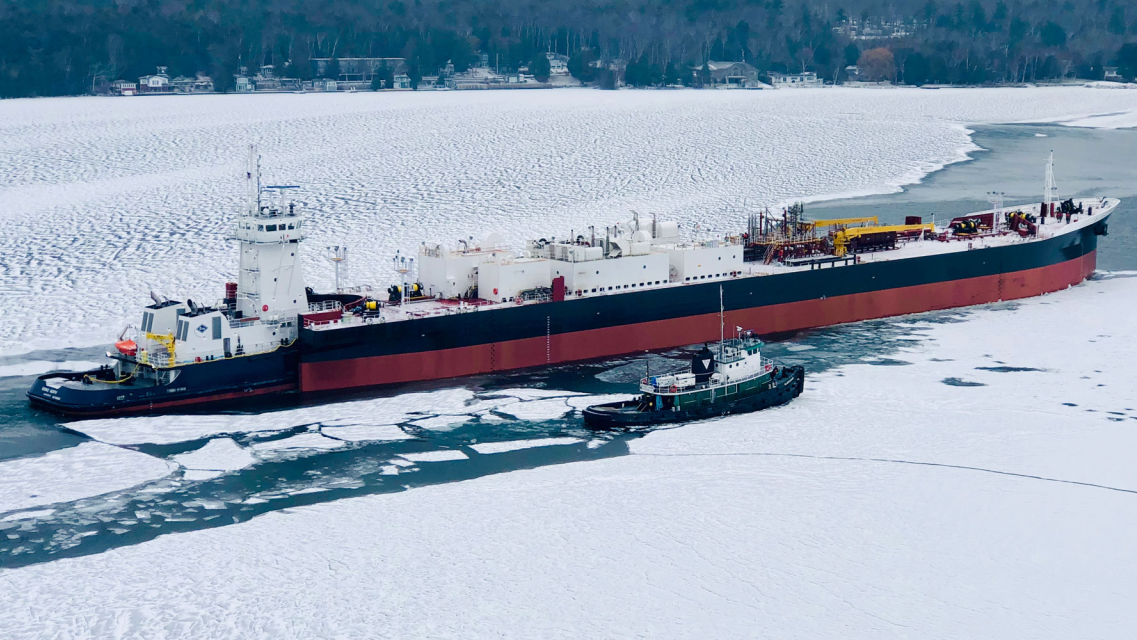
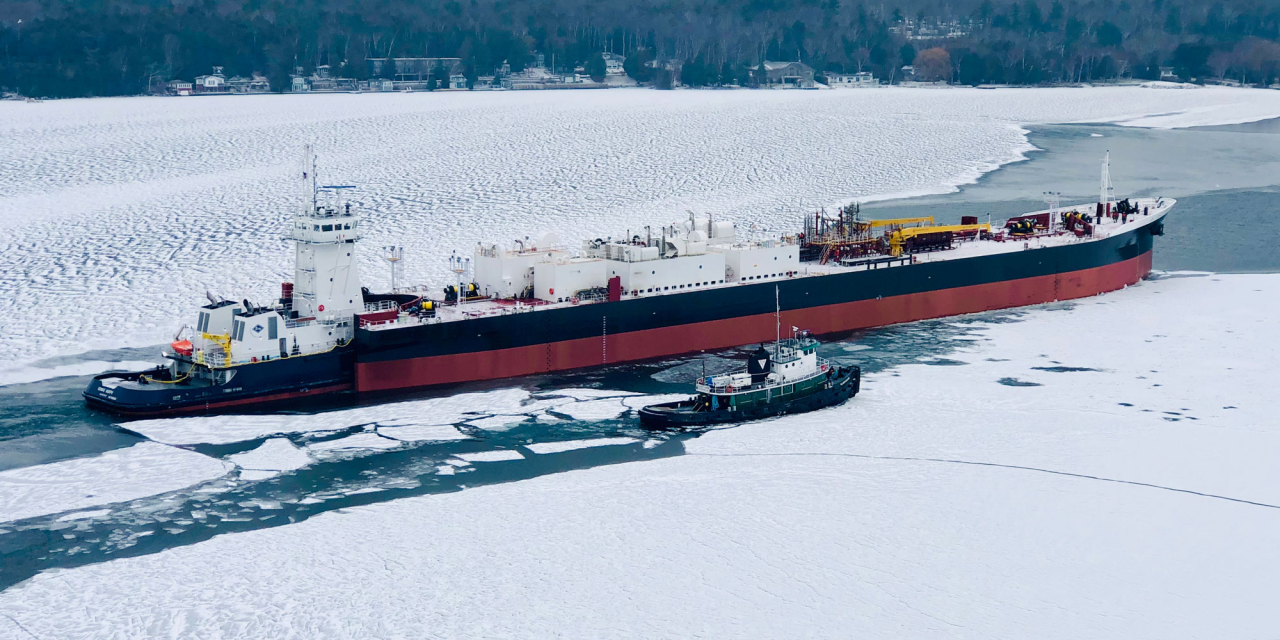
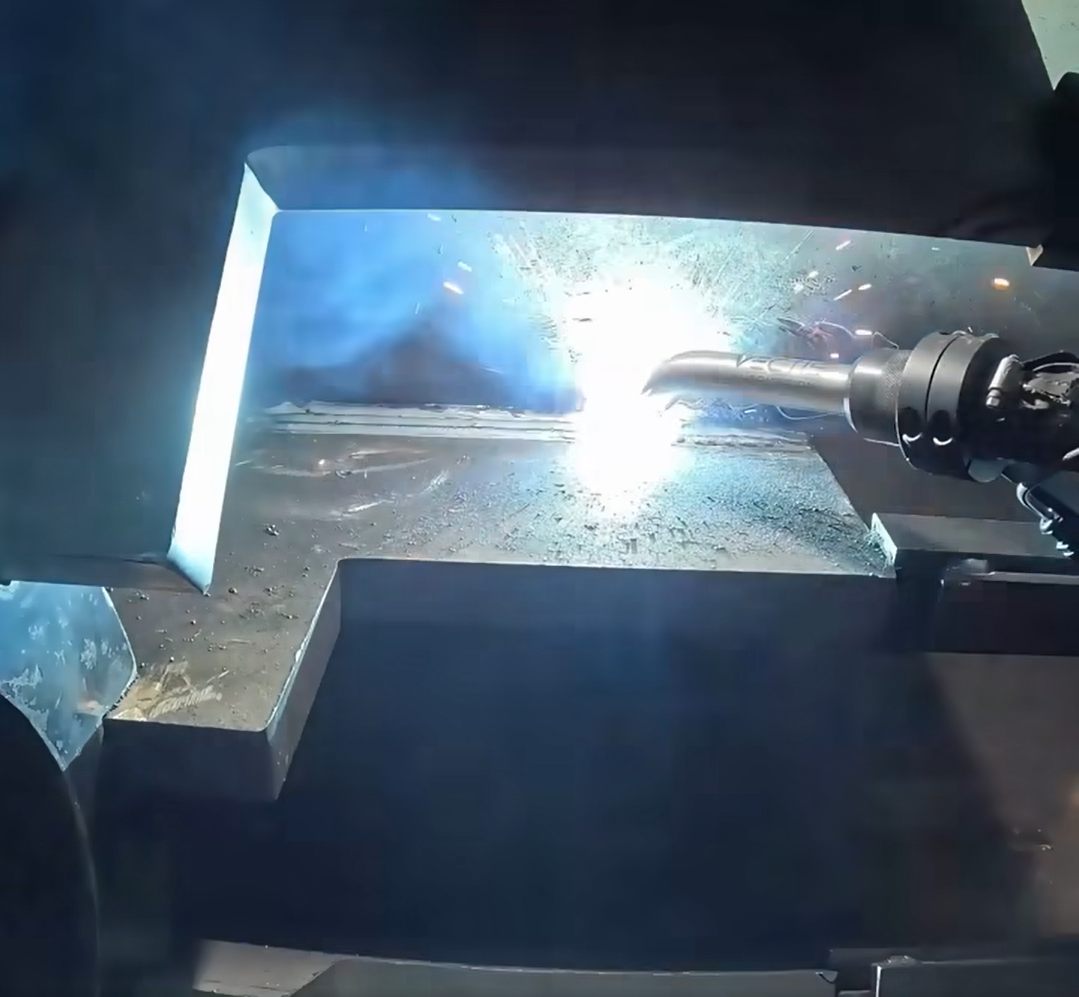
The video above shows a weld for an Articulated Tug-Barge part
A crucial step in the shipbuilding process.
The multipass weld featured in the video above is a part for an Articulated Tug-Barge, while the part that allowed Intercon to achieve full ROI was a fixture used for Main Propulsion Motor transport on the US Navy's Columbia Class submarine program.
In Intercon’s own words, “Shipyards are only the final assembly plants of a broader shipbuilding ecosystem, and shipbuilding innovation can, and should, come from wherever we can find it...even Kansas City, Missouri!”
Vectis is grateful to partner with leading companies like Intercon to support US shipbuilding efforts with cobot welding and cutting solutions at every step of the process.