Combating the Shortage of Highly Skilled CJP Welders in Structural Steel
Central Texas Iron Works | Waco, TX & San Antonio, TX
At a Glance
MANUFACTURER TYPE

Structural Steel Fabrication
CHALLENGE

Shortage of highly-skilled, specialized welders limited capacity on critical structural welds
VECTIS APPROACH
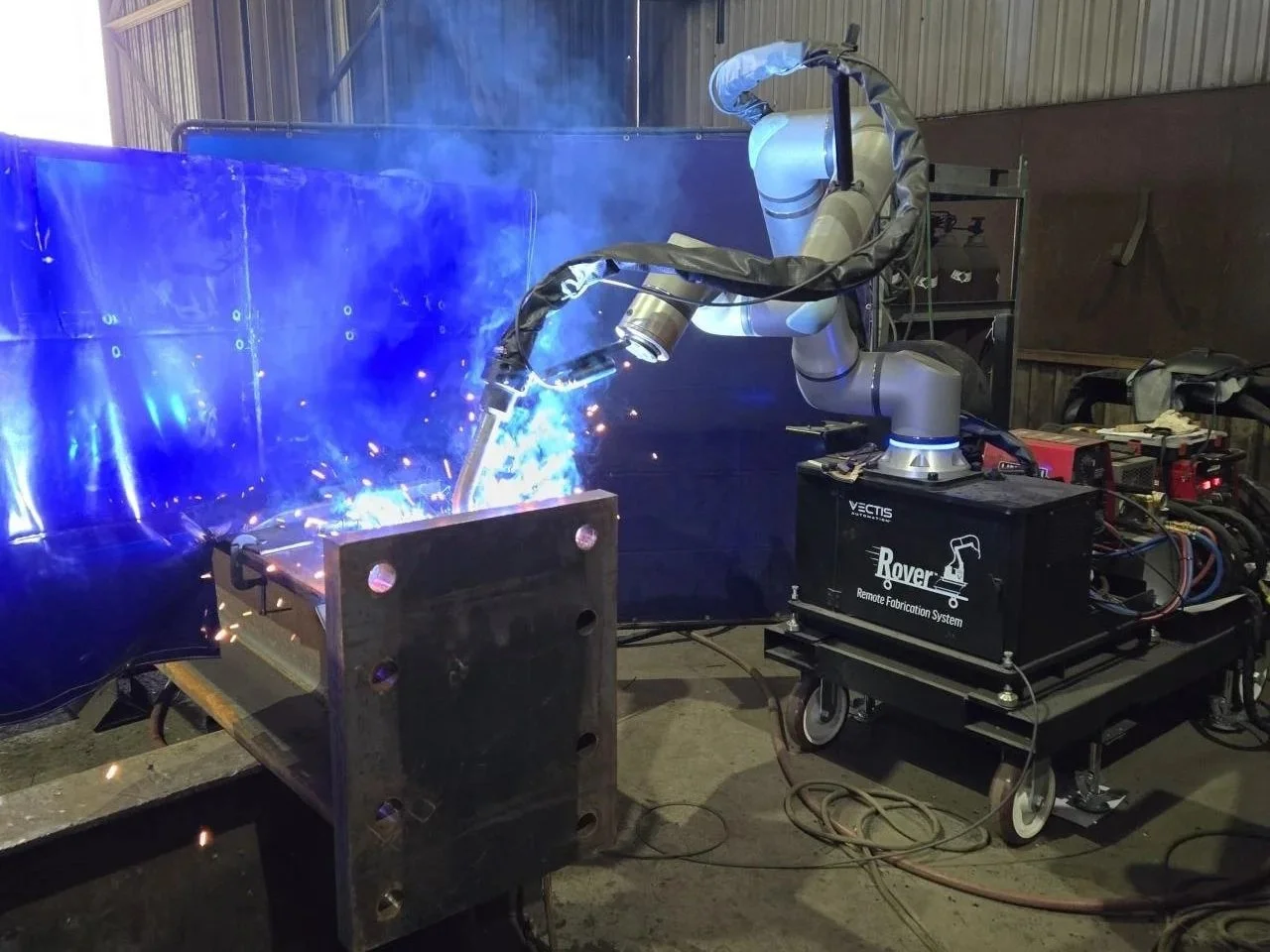
Deployed the ultra-portable Vectis Rover™ (UR20 cobot arm) welding system directly on large structural assemblies to automate difficult CJP welds
OUTCOME

• Achieved consistent CJP welds meeting UT inspection requirements
• Maintained compliance with AWS D1.1 structural welding code
• Expanded production capacity despite labor shortages
• Enabled automation of large, complex structural welds previously done manually
WHY IT MATTERS

Increased capacity despite skilled labor constraints, while maintaining strict code-passing weld quality
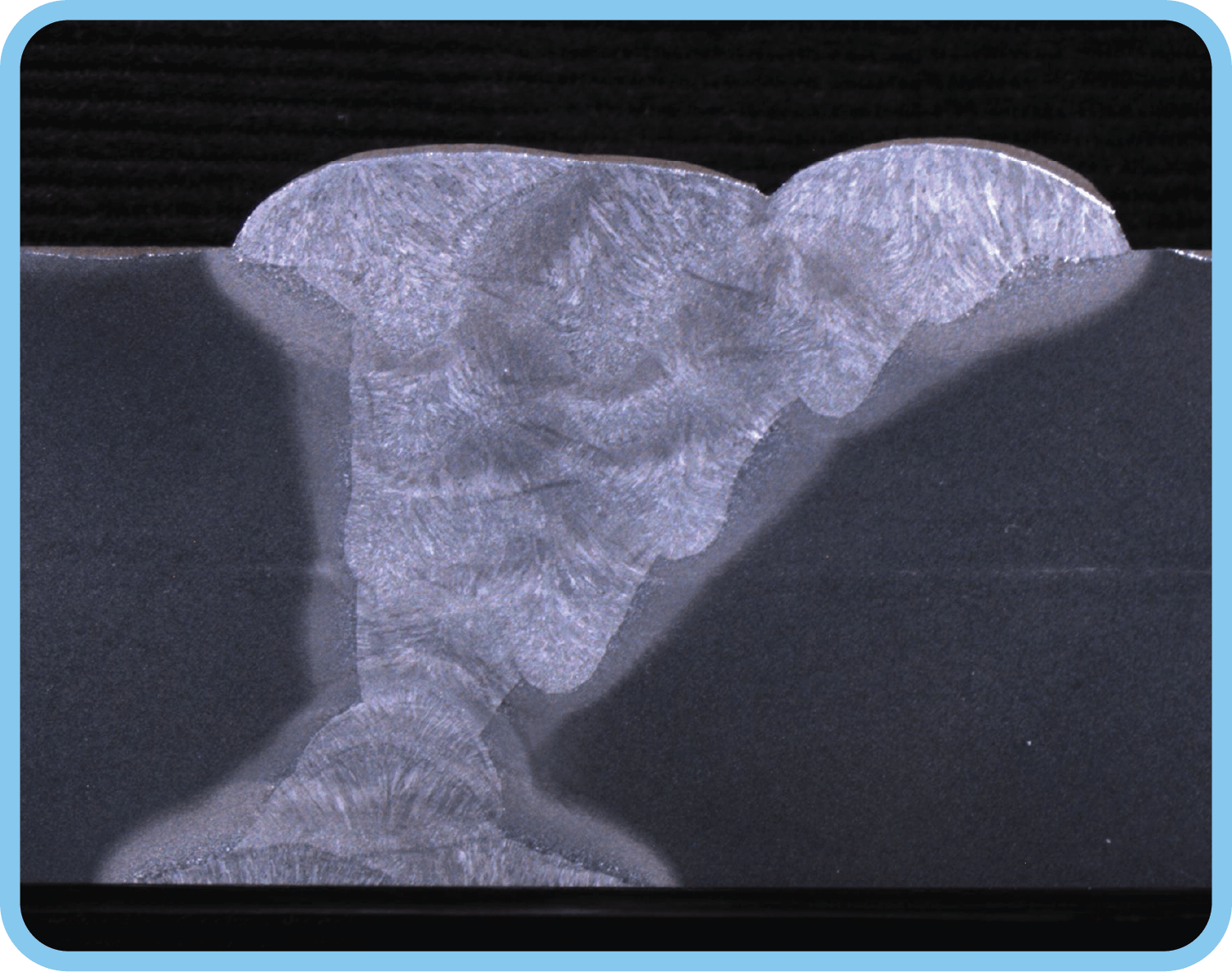
Introduction
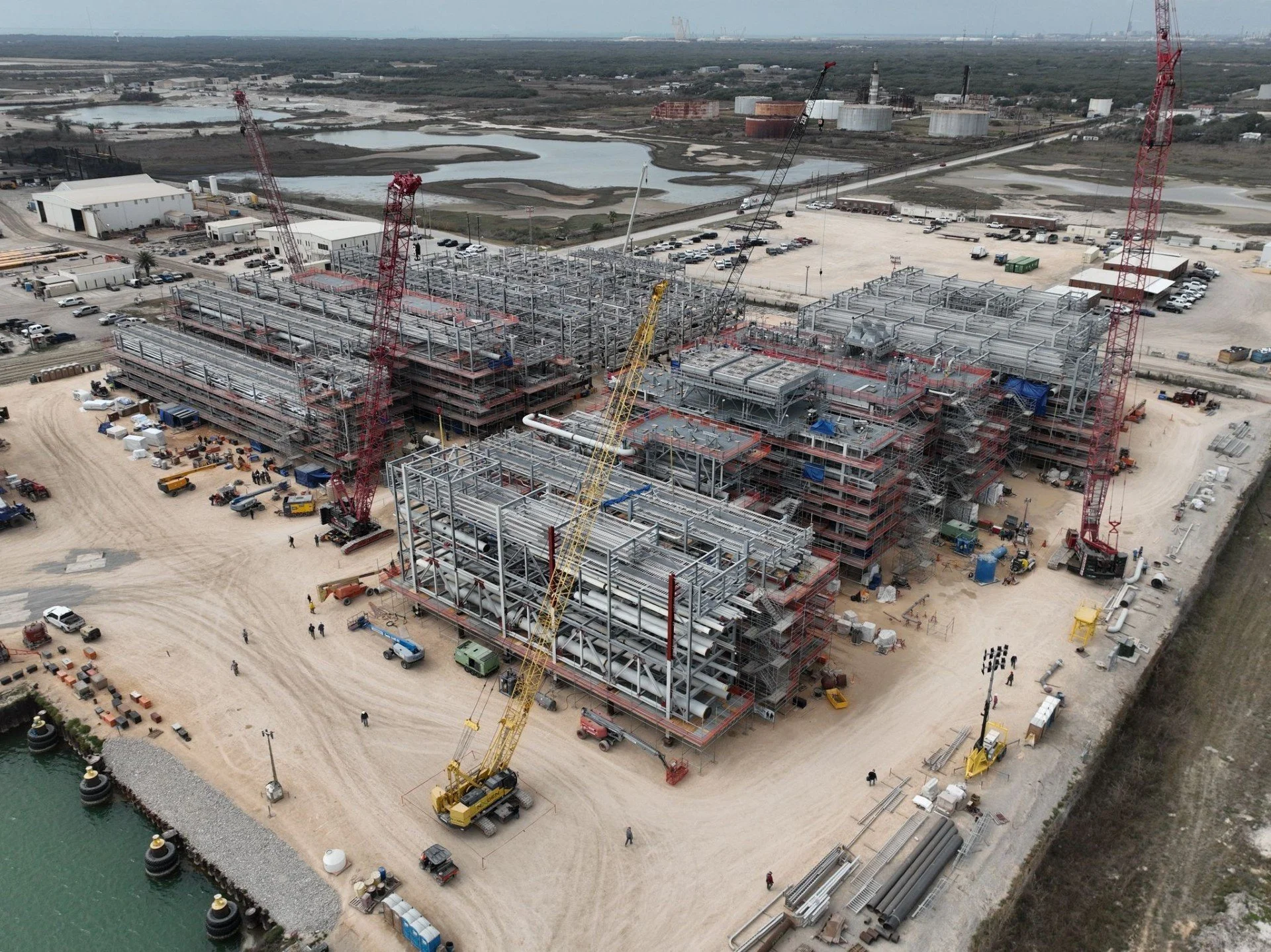
Central Texas Iron Works (CTIW) operates two large-scale structural steel facilities in Waco and San Antonio, supplying structural steel to some of the world’s largest industrial facilities.
Their work includes highly demanding structural applications such as heavily loaded pipe racks used in the construction of liquefied natural gas (LNG) facilities for product export from the USA to countries around the world, supporting energy infrastructure tied to global demand for clean-burning fuel.
At this level, there is no margin for inconsistency. Complex moment connections must meet strict welding code requirements, and every weld must perform under real-world structural loads.
“The Vectis Rover is pulling its weight helping combat the shortage of highly skilled CJP welders our US structural steel industry is facing.”
Roy Eaton (VP of Operations, Central Texas Iron Works)
The Challenge
CTIW faced a constraint very familiar to structural steel fabricators: a shortage of highly experienced welders capable of performing CJP welds to ultrasonic testing (UT) quality standards.
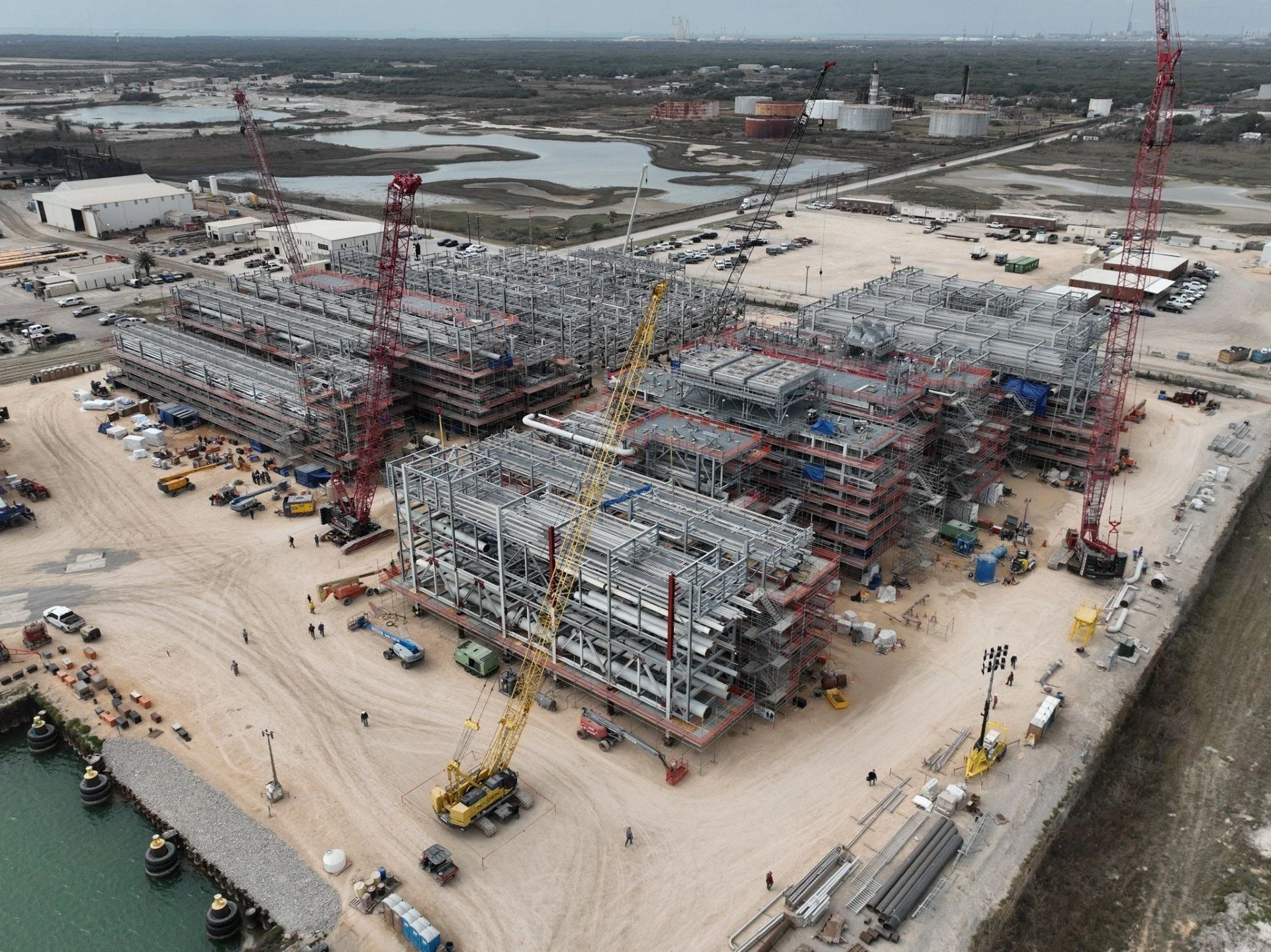
These welds are essential for complex moment connections in heavily loaded pipe rack structures, particularly in LNG facility construction, as pictured. They must meet stringent requirements under AWS D1.1 UT quality on statically and cyclically loaded structures.
At the same time, the dropout rate of highly skilled CJP welders continues to rise across the industry.
CTIW needed a way to maintain production capacity and weld quality without relying solely on a shrinking labor pool.
Vectis tools lend a hand to skilled welders
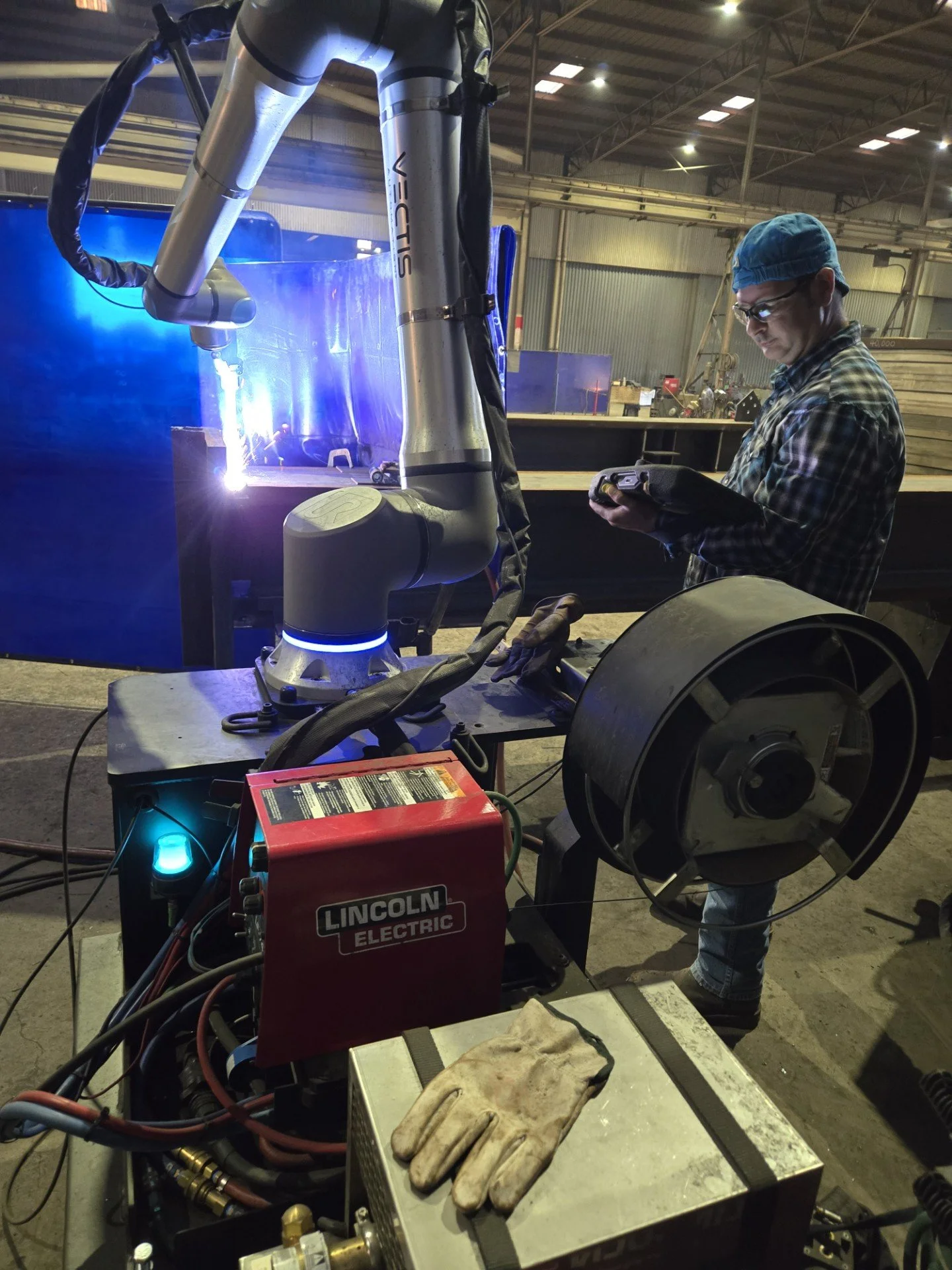
Over the past five years, CTIW has implemented two ultraportable Vectis Rover™ systems to support their most demanding applications.
These systems grant their fabrication team the mobility to go directly to large structural parts, and the robust programming capability to meet quality standards for difficult CJP welds.
Rather than replacing skilled welders or robbing them of important work, the cobots work alongside the team to maximize their capacity.
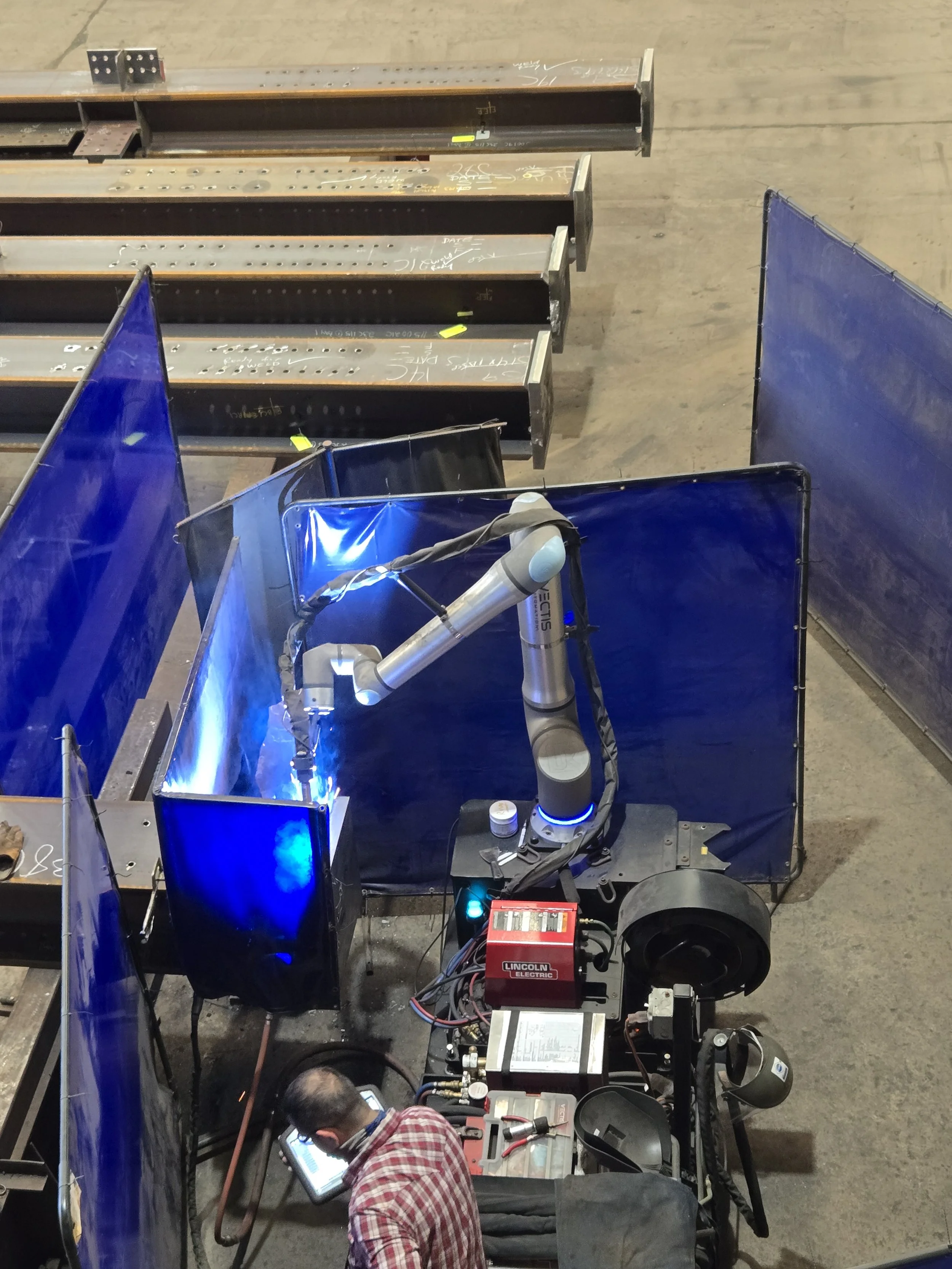
Cobot tools are deployed on the most critical and difficult welds such as CJP grooves, while manual welders handle tasks like back-gouging, where the human eye ensures consistency and smooth tie-ins.
Consistent parts in, consistent parts out
CJP welds are among the most difficult welds to execute consistently, especially at the scale required for modern LNG infrastructure.
CTIW’s success in this difficult application is due in large part to their consistent beam cutting and efficient upstream processes, which is often a deciding factor when evaluating if a particular fabrication line is ready for welding automation.
CTIW’s approach reflects a broader shift in the structural steel industry, and shows what’s possible when using automation as a tool to extend the capabilities of skilled workers, not replace them.