AWS Welding Journal: Cobot Welding Produces Aluminum Rim Products
This article was originally published in the February 2021 issue of AWS Welding Journal. Visit: https://www.aws.org/magazines-and-media/welding-journal
Cobot Welding Produces Aluminum Rim Products
Specialty Rim Supply (SRS), a provider of precision spun-forged aluminum rims founded in a former brewery building in Terre Haute, Ind., has reinvented the aluminum wheel with its proprietary radial forging process. This process produces a seamless 6061-T6 aluminum rim with an extremely fine radial grain structure that provides the highest strength-to-weight ratio.
A key success factor of SRS from the outset has been leveraging innovative and entrepreneurial manufacturing methods to supply high-quality custom aluminum rims made in the United States.
SRS Co-owner Rich Cuvelier, who has been with the company since it was founded in 1995, had an idea early on to provide rims with a welded flange assembly to address a specific market need. He knew that the welding of the flange assembly would need to be automated. Both robotic and fixed-automation options were evaluated at the time, “...but the problem 20-plus years ago was that the upstream manufacturing processes weren’t consistent enough to enable automation in the weld shop,” Cuvelier said.
The importance of consistent upstream processes in facilitating successful weld automation hasn’t changed over the last 25 years, but luckily, the capabilities of upstream equipment have. So, in 2020, now armed and experienced with upstream processes that provide exceptional consistency, Cuvelier revisited the welded modular assembly rim.
Baby Steps: Leveraging Automation Experts for the Proof-of-Concept
Cuvelier knew that automation in the weld shop was the right path for the new rim design to achieve quality and production standards that are typical of SRS products. He turned to welding automation industry experts, including Vectis Automation, to help evaluate the project’s feasibility.
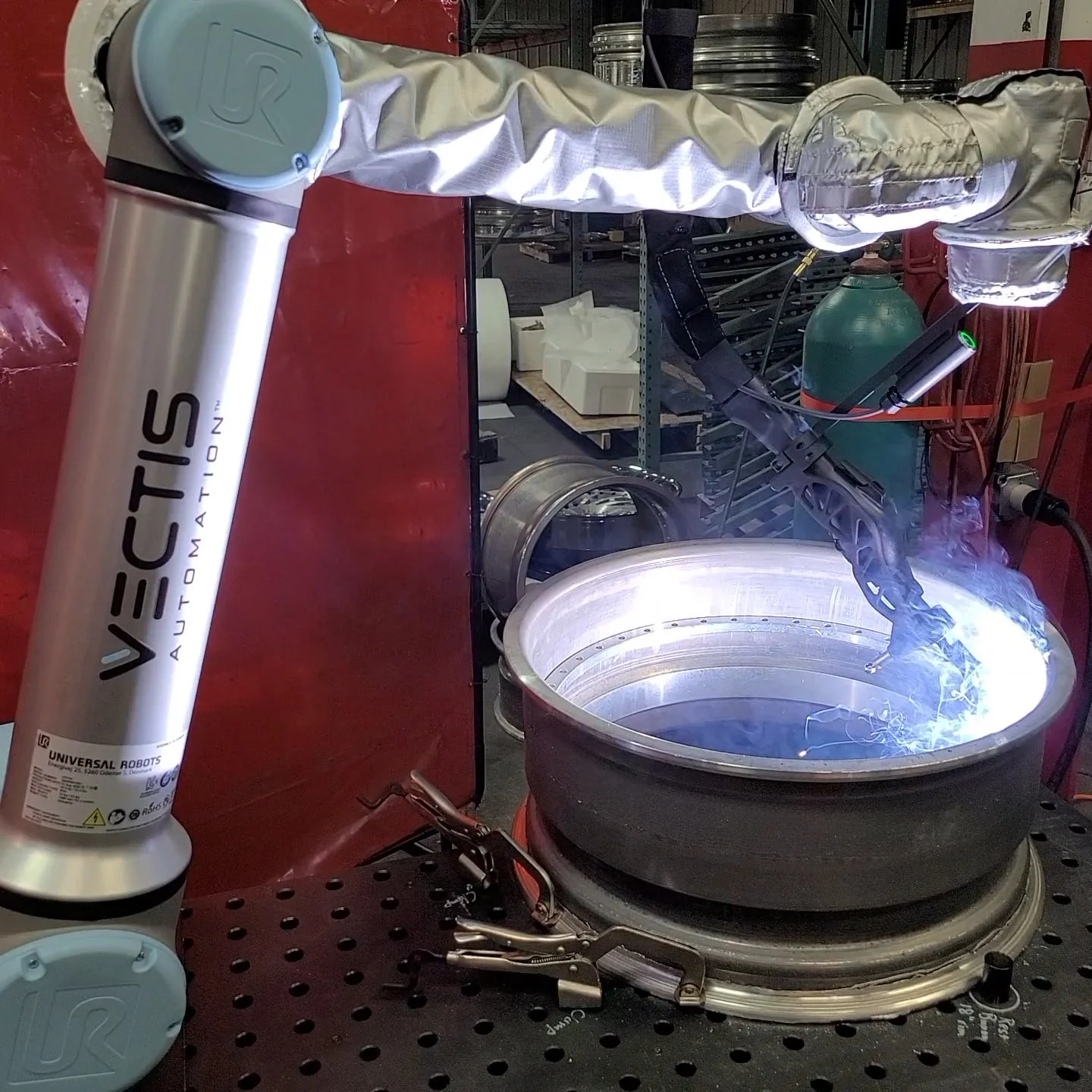
The Cobot Welding Tool is shown here in production at Specialty Rim Supply’s facility on a program they created in-house.
Vectis Automation is a Colorado-based integrator that empowers manufacturers to automate their welding with an easy-to-use, flexible, and affordable collaborative robot (cobot) welding system. The company’s Cobot Welding Tool is a 3 × 6 ft mobile welding tool that incorporates a Universal Robots cobot. The cobot tool has built-in safety sensors that allow it to operate without costly peripheral safety equipment or external perimeter caging.
“The small and mobile footprint of the cobot-based system was really valuable to us — especially when paired with the Vectis platform’s easy programming,” Cuvelier said.
After an initial application discussion with the Vectis team, Cuvelier sent rim samples to Vectis and a few other integrators for initial weld trials to determine which integrator would serve as the best long-term partner.
“It was important for me to not only see the weld results upfront before pulling the trigger but also to see how each integrator operates,” Cuvelier said.
Vectis’s Director of Business Development and founding partner Josh Pawley agreed with Cuvelier’s sentiment.
“We are the only integrator in the market that offers a 30-day return policy on our systems. Many think that’s crazy, but we’ve never had a system returned. The pre-sale application evaluation process led by our team of technical experts is a key reason why,” Pawley said.
Welding Process Development
Using the aluminum configuration of their Cobot Welding Tool that employs Miller® synergic pulse welding equipment and a push-pull gun for reliable feeding of soft aluminum, the Vectis and SRS team collaborated remotely, due to COVID-19, to hone in the weld process to SRS’s needs.
A key design consideration of the welding process was to achieve sound penetration with a 3/64-in. 4043 wire while also minimizing the size of the bead face, so the weld didn’t obstruct the bolt and nut that would later be added to the assembly flange.
To achieve this, the Vectis team tightened the arc cone by lowering the trim and increasing the SharpArc setting. They then paired that with a 30-degree push angle and a travel speed of 27.5 in./min to promote proper wet-in at the toes.
“The welds were gorgeous, and the penetration on the etched cross section was exceptional. Exactly what we were looking for and at a very quick weld travel speed to boot,” Cuvelier said.
From Proof to Production
With the weld parameters proven out, Cuvelier and the Vectis team continued to collaborate on the next challenge — how to economically program SRS’s broad range of part configurations.
“Our batch size can often be as small as four rims. The flange’s axial location will vary based on our customer’s needs, so I needed an automation solution that could handle that product spread... it just wouldn’t be economical for us to hand-program every batch,” Cuvelier noted.
To solve this challenge, the Vectis team leveraged its unique force-based Touch Sensing software feature, which allows the cobot to search a surface with tactile feedback and then offset a weld path based on that search.
A custom touch probe was designed and fabricated that would allow the cobot to reach and reliably search the various conditions of the flange assembly location.
The final piece of the puzzle was ensuring that the SRS team had the tools and training they needed to be successful with the system.
“We didn’t have to pay for Vectis to come onsite or have our guys go to their facility during COVID-19. They provided a shell program and instructional videos that our team used to get the system setup and producing very quickly,” Cuvelier said.
Since receiving the system, the SRS team has added programs for different sizes of wheels and made slight adjustments to the weld parameters to get the exact weld profile they are looking for.
In addition, the Vectis and SRS teams have continued to collaborate on how to further improve the process. One suggestion that came up during preproduction trials was to increase the bevel angle on the flange assembly, which would both increase penetration depth and decrease bead size to help keep weld material out of the bolt/nut areas.
Automation Advice
For those looking at automating, Cuvelier offers the following advice:
“First, go with an automation partner that knows the technical side of the application you are looking at. That was critical to us in deciding who to go with and has since been key to success in our project throughout.
Second, you’ve got to have the part and fixture consistency. We didn’t have it 25 years ago but we’ve got it now, and it’s another key to our success.
Lastly, we’ve got the right people on our team [who] are programming and running the system... they’ve really taken ownership of the project.”
Pawley added:
“[Cuvelier] hit on two of the three key points we always talk about with customers: repeatable parts and fixturing and an eager cobot champion [who] takes ownership of the project success. Only thing I’d add is, when possible, start with the low-hanging fruit (brackets, subassemblies, piece parts, etc.) to build quick wins, confidence, and start the ROI [return on investment]... then graduate to the more complex weldments.”
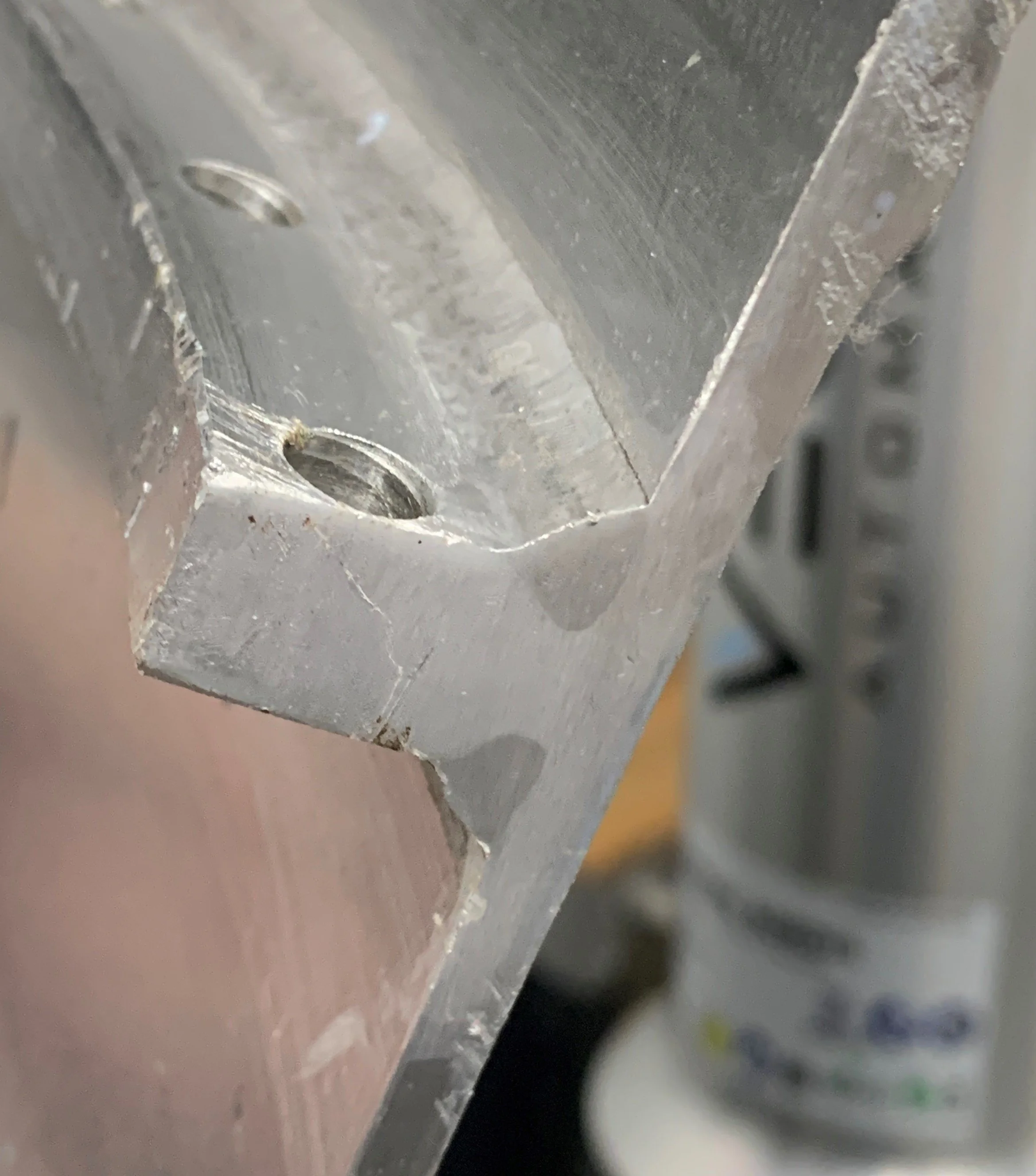
Fig. 1 —The Vectis applications engineering team used a tight, crisp arc paired with a heavy push angle to achieve both deep penetration and an ideal bead profile.
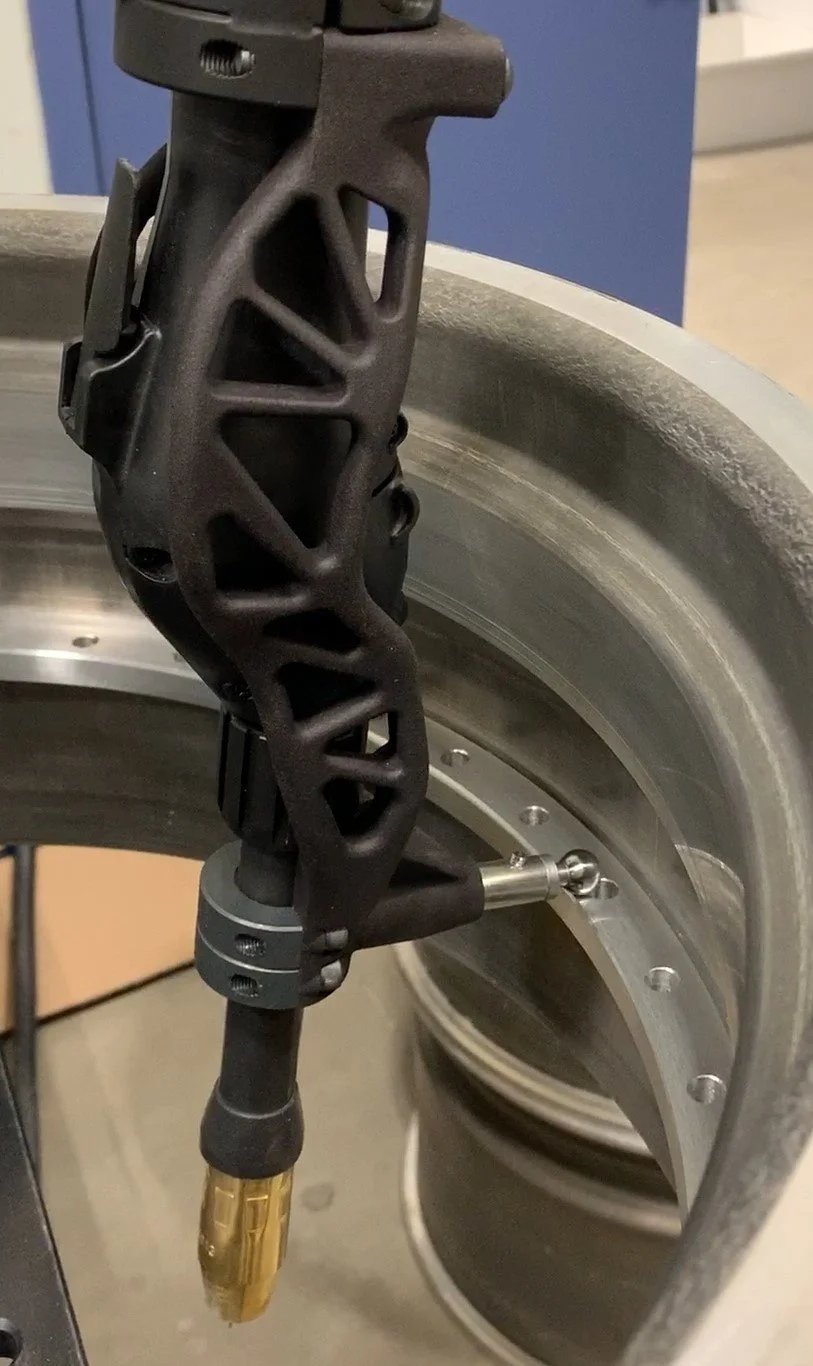
Fig. 2 —The touch probe leverages a 3D printed design and Vectis's unique force-based Touch Sensing feature to accommodate the wide variety of SRS custom rims.
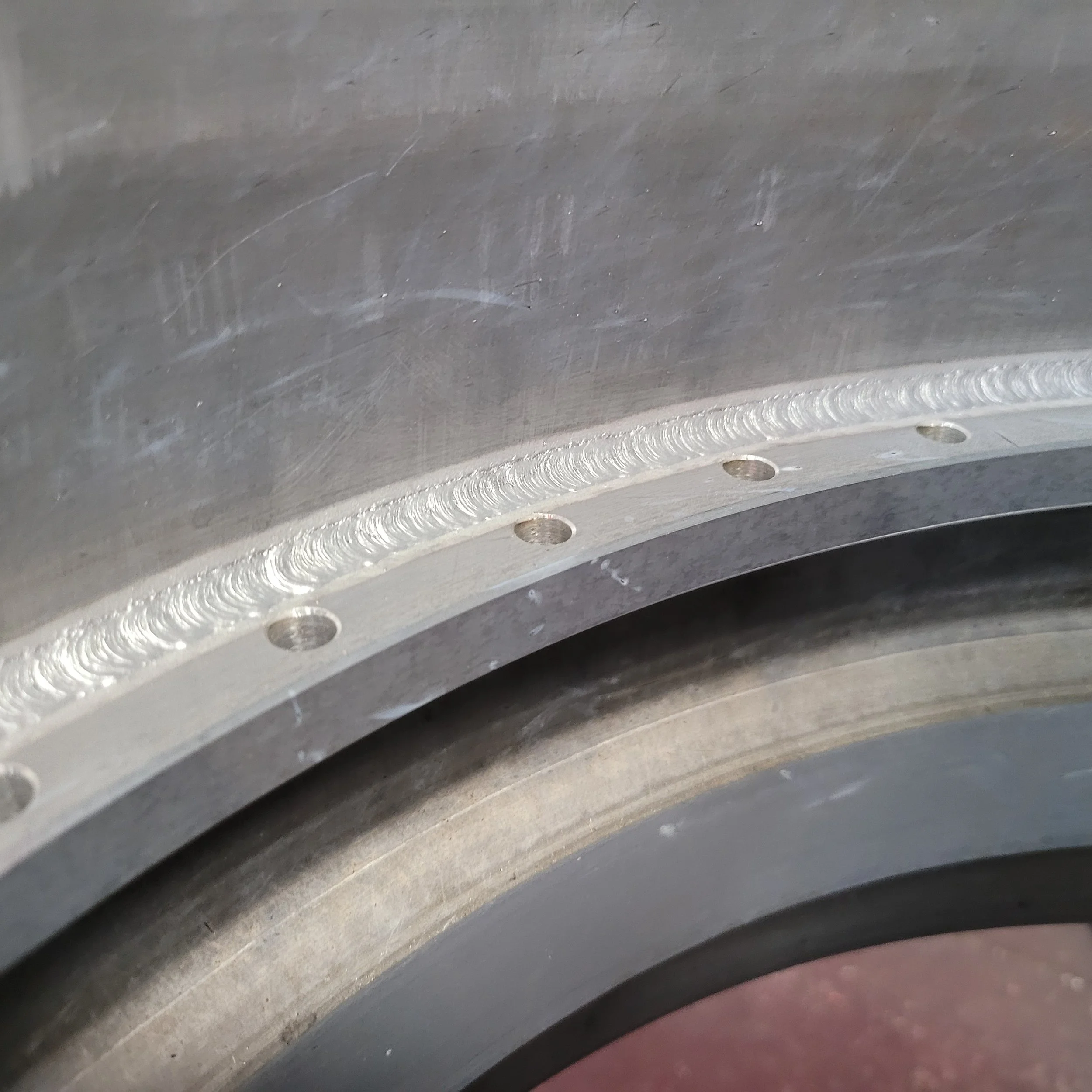
Fig. 3 — A close-up of the live welding shown in the lead photo.
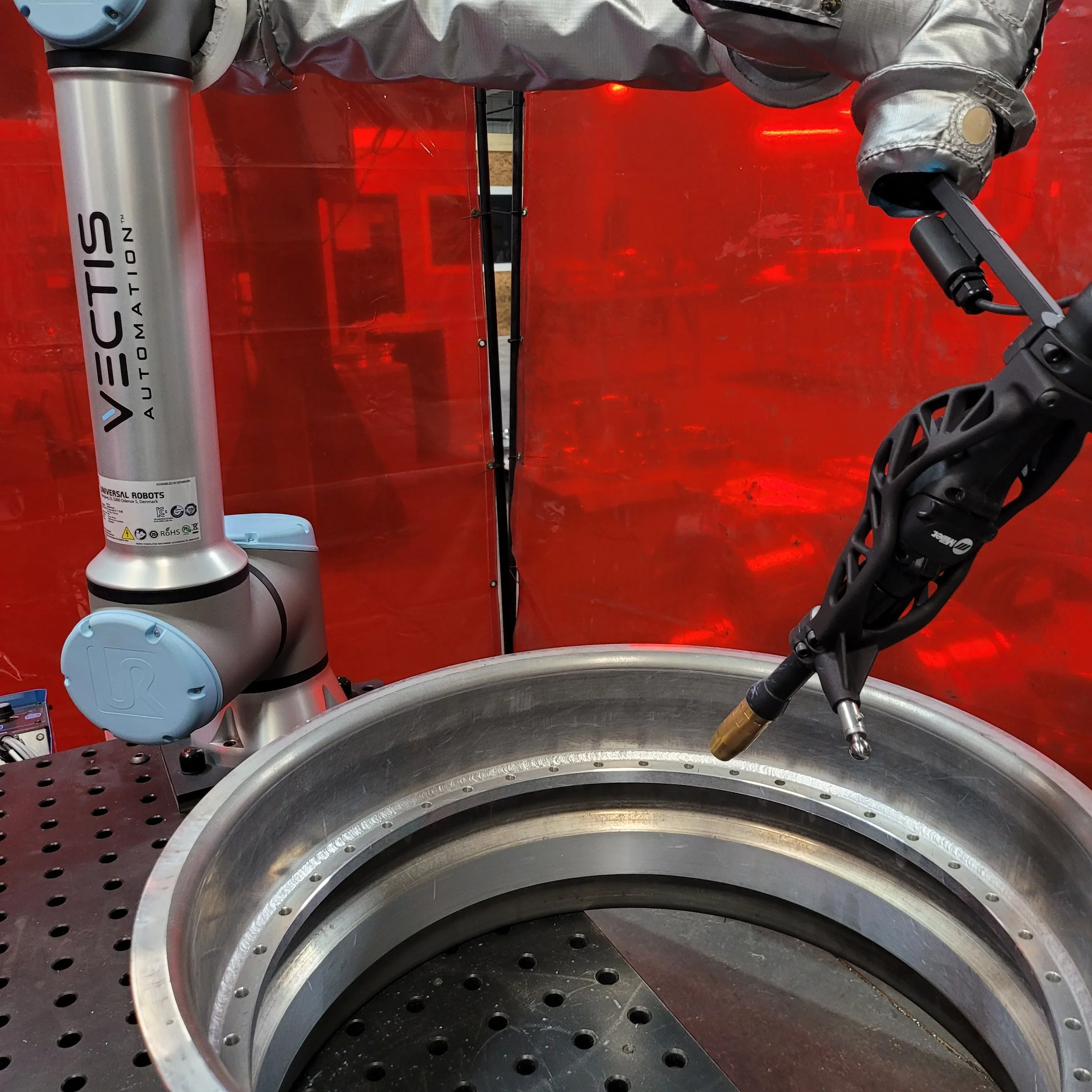
Fig. 4 — Final product of the fully welded wheel.