Precision Welding Doesn’t Have to be a Bottleneck
Aluminum Welding Solutions

Precision Aluminum Welding
Doesn’t Have to Be a Bottleneck
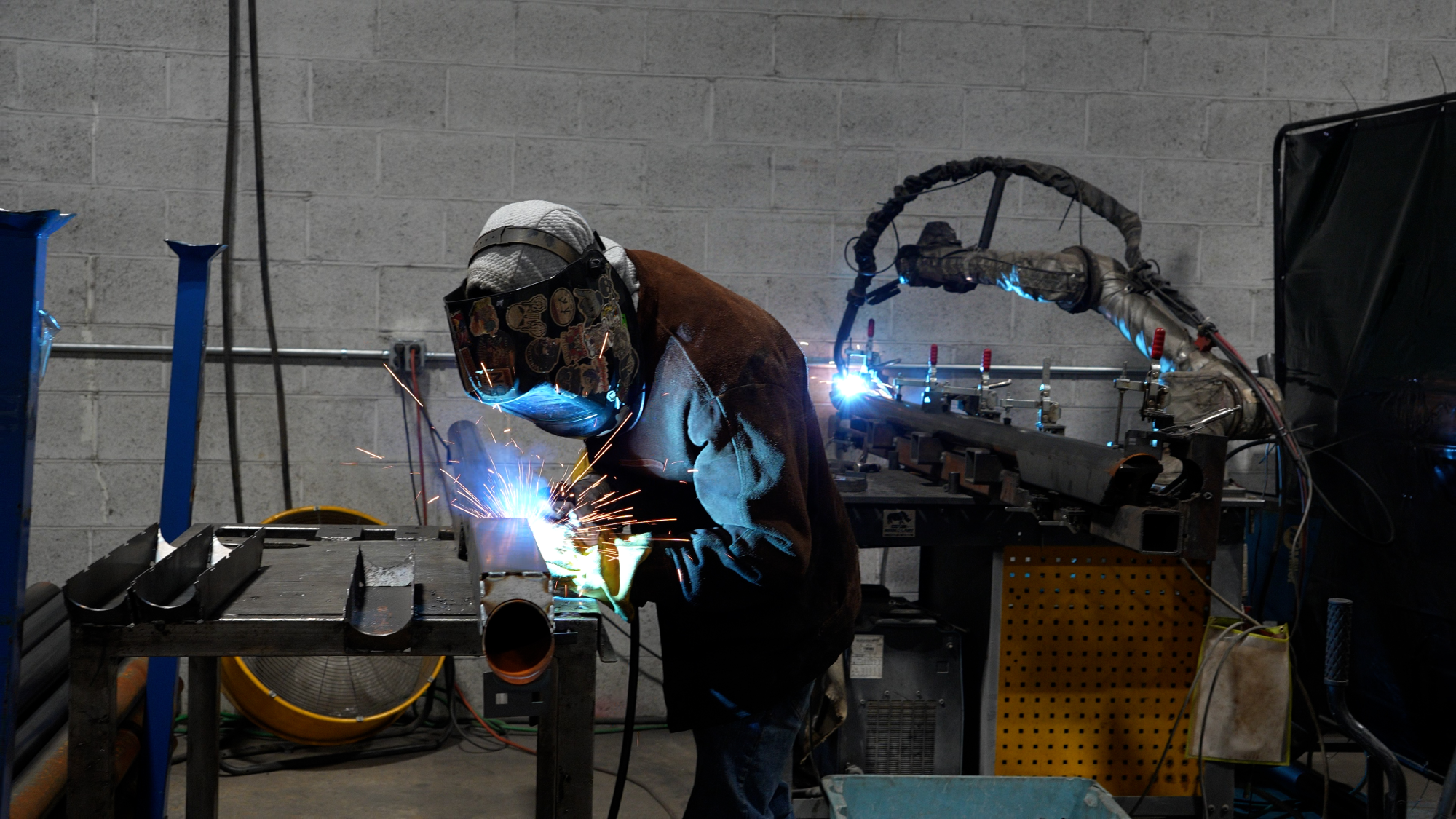
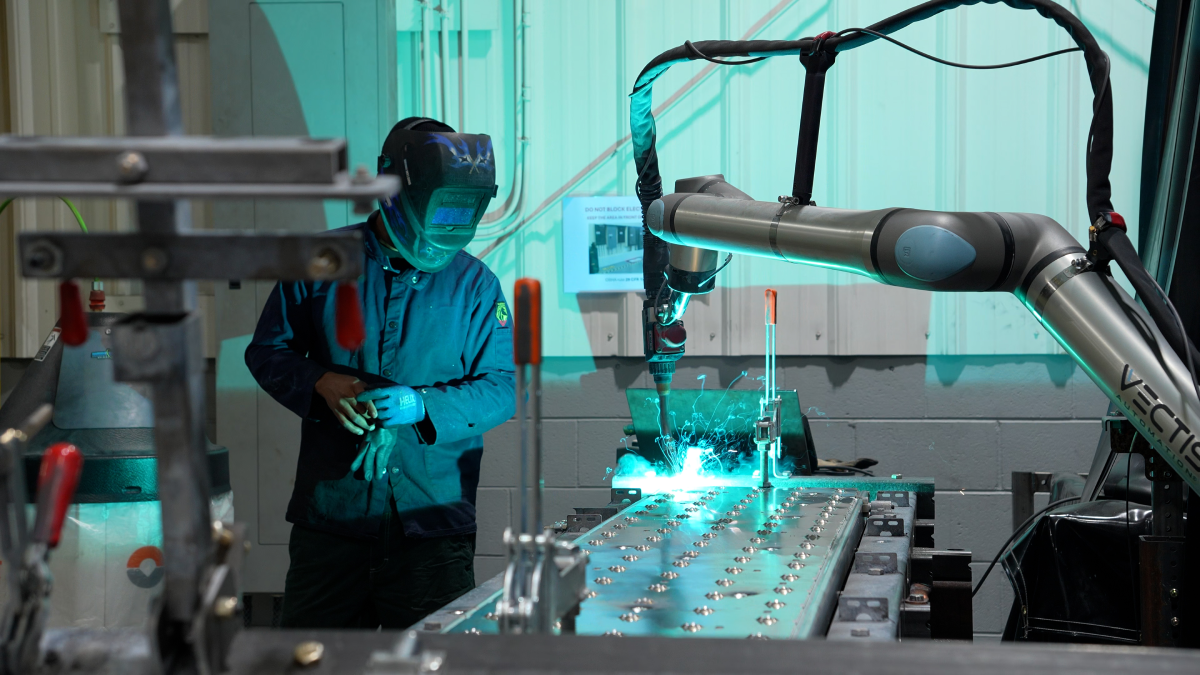
Hundreds of fabricators are reliably automating their critical aluminum welds with field-proven Vectis cobot tools - freeing up skilled welders to focus on the highest-value tasks while also boosting per-part productivity by 3-4x.
Dime-stack "pulse-on-pulse" and other advanced capabilities are included standard - particularly helpful for cosmetic applications, and even enabling some shops to shift their most time-consuming manual TIG welds to cobot MIG.
Trusted by Fabricators
“We’ve been running 18-20 hours a day, 6 days a week since we got our system [four years ago].”
— Aluminum & Steel Fabricator, Ontario
“Vectis has helped us take welding capacity from a constraint to a strength, while allowing our skilled welders to focus on the work that truly needs their expertise”
— Tyler C. (Director of Operations, Caltech Mfg)
What Aluminum Fabricators are Seeing
These examples show how Vectis cobot welding tools support real aluminum fabrication work to improve weld consistency, increase throughput, and help teams get more out of their skilled welders. Manufacturers are using cobots to bring more control and predictability to aluminum welding.
Manual vs. Cobot Welding

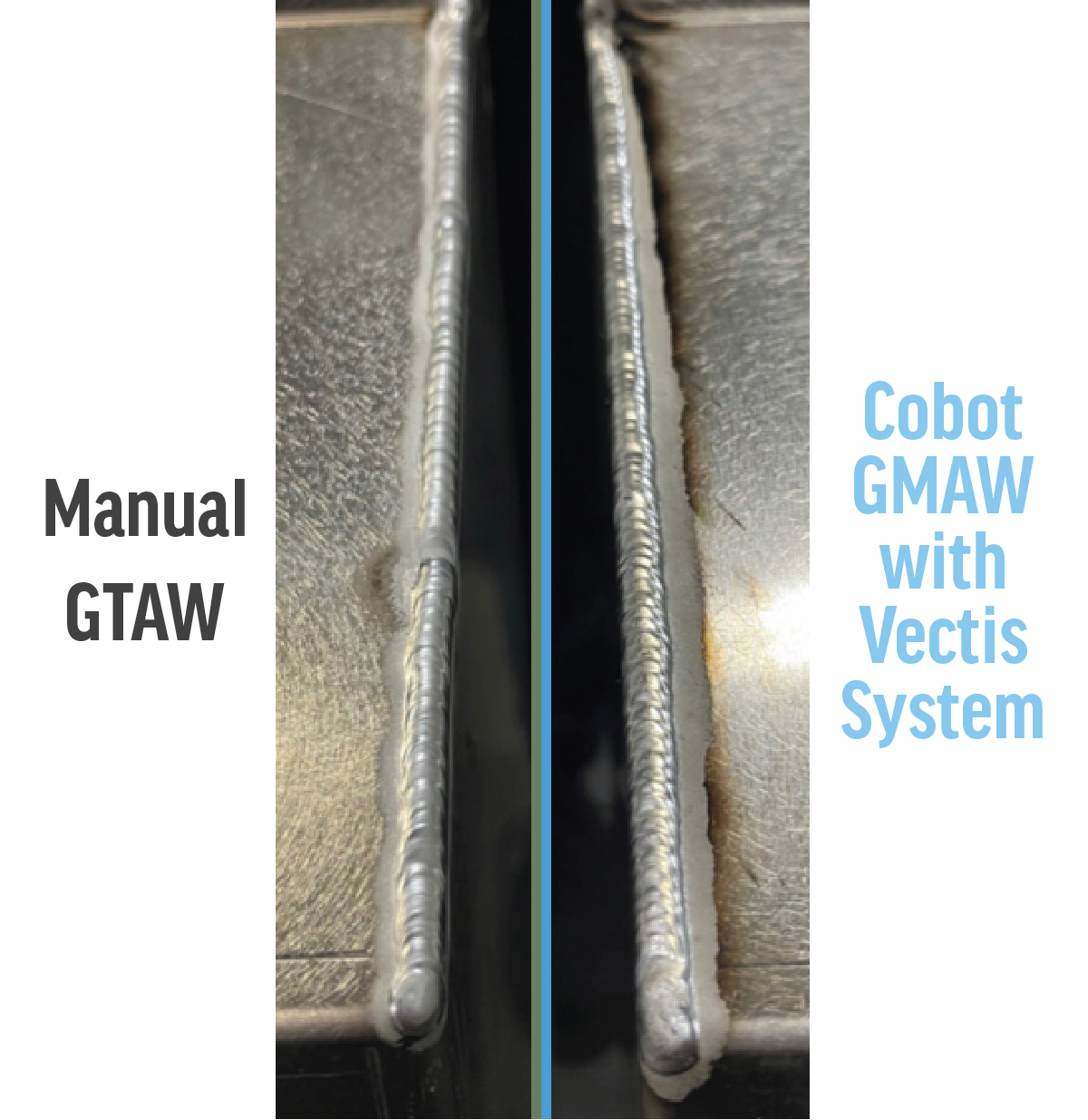
Side-by-side comparison

Cleaner welds with less effort and better consistency
Precision Aluminum Welding
Built for clean edge transitions

Controlled arc, clean results
Repeatable results, every time.
Uniform weld appearance with strong fusion and clean edges
Box Weld Accuracy
Move time-consuming TIG welds to cobot MIG
Controlled weld path maintains clean corners and consistent bead profile

Boosting per-part productivity by 3-4x

Freeing skilled welders for higher-value work

Improving consistency on aluminum welds

Often shifting time consuming TIG welds to cobot MIG
Aluminum Fabricators are Using Vectis tools across a wide range of parts including:
Automotive aftermarket components
Brackets
Boxes (electrical, marine, toolboxes, and more)
Handrails
Light poles
Structural aluminum
And much more
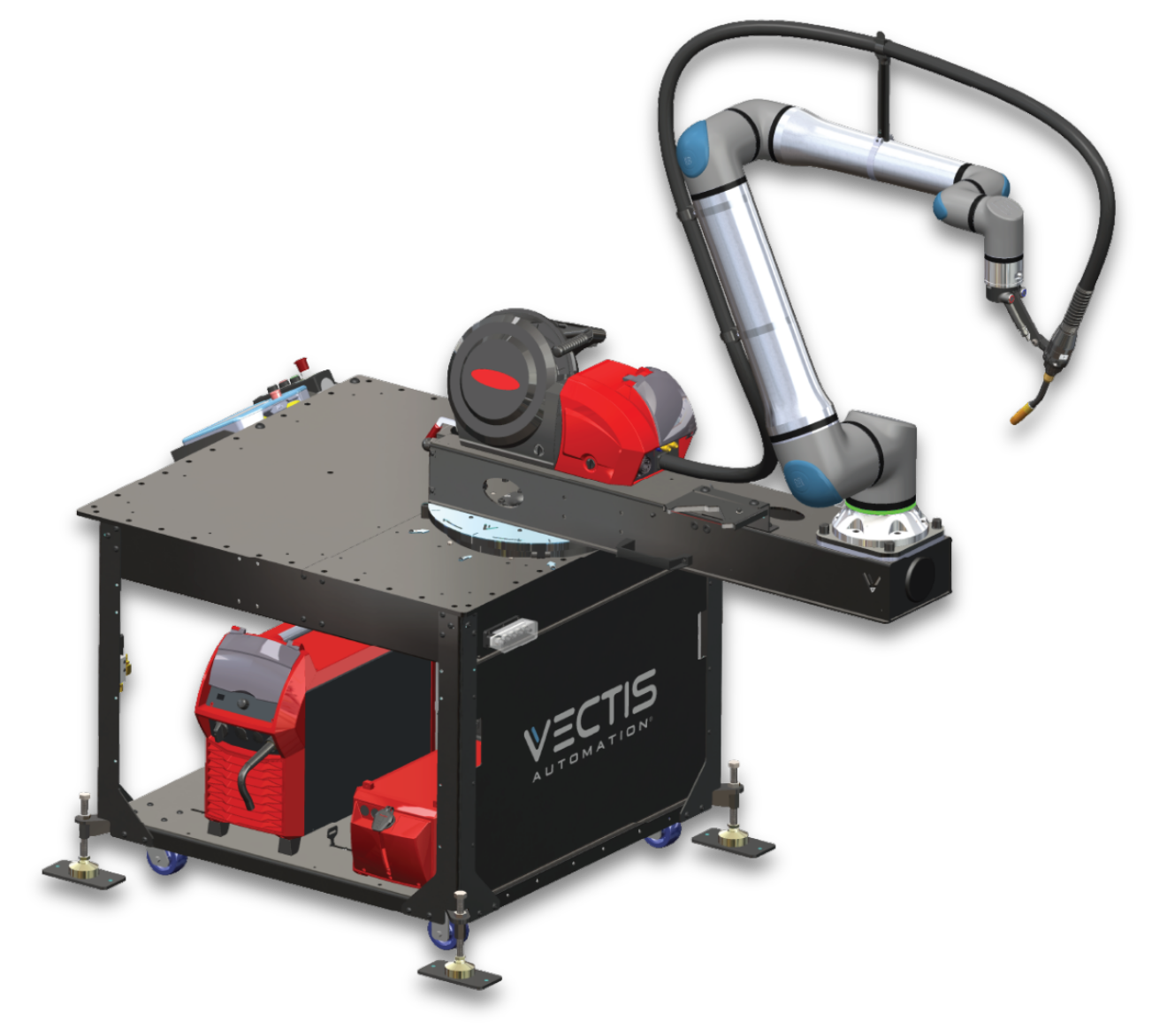
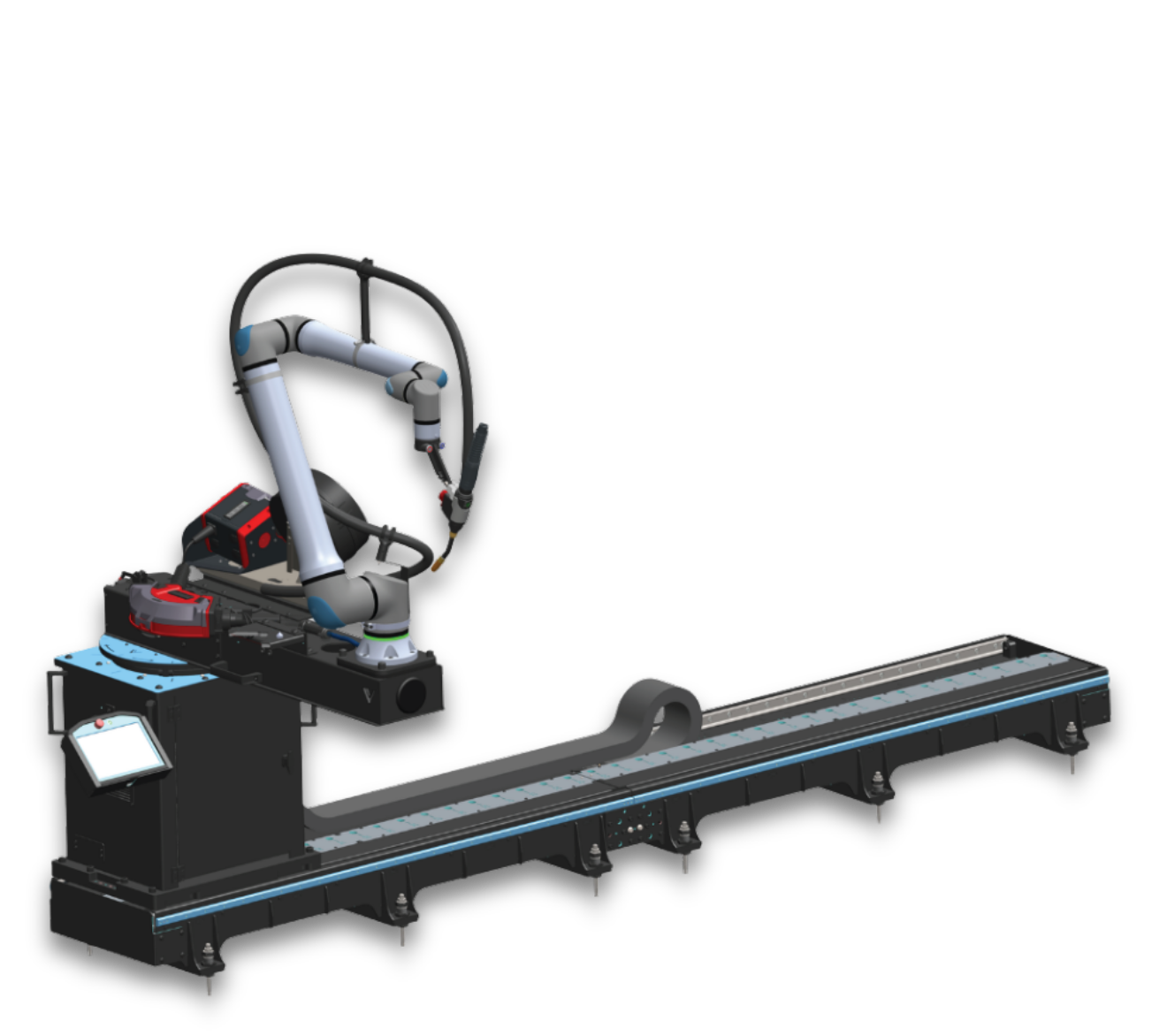
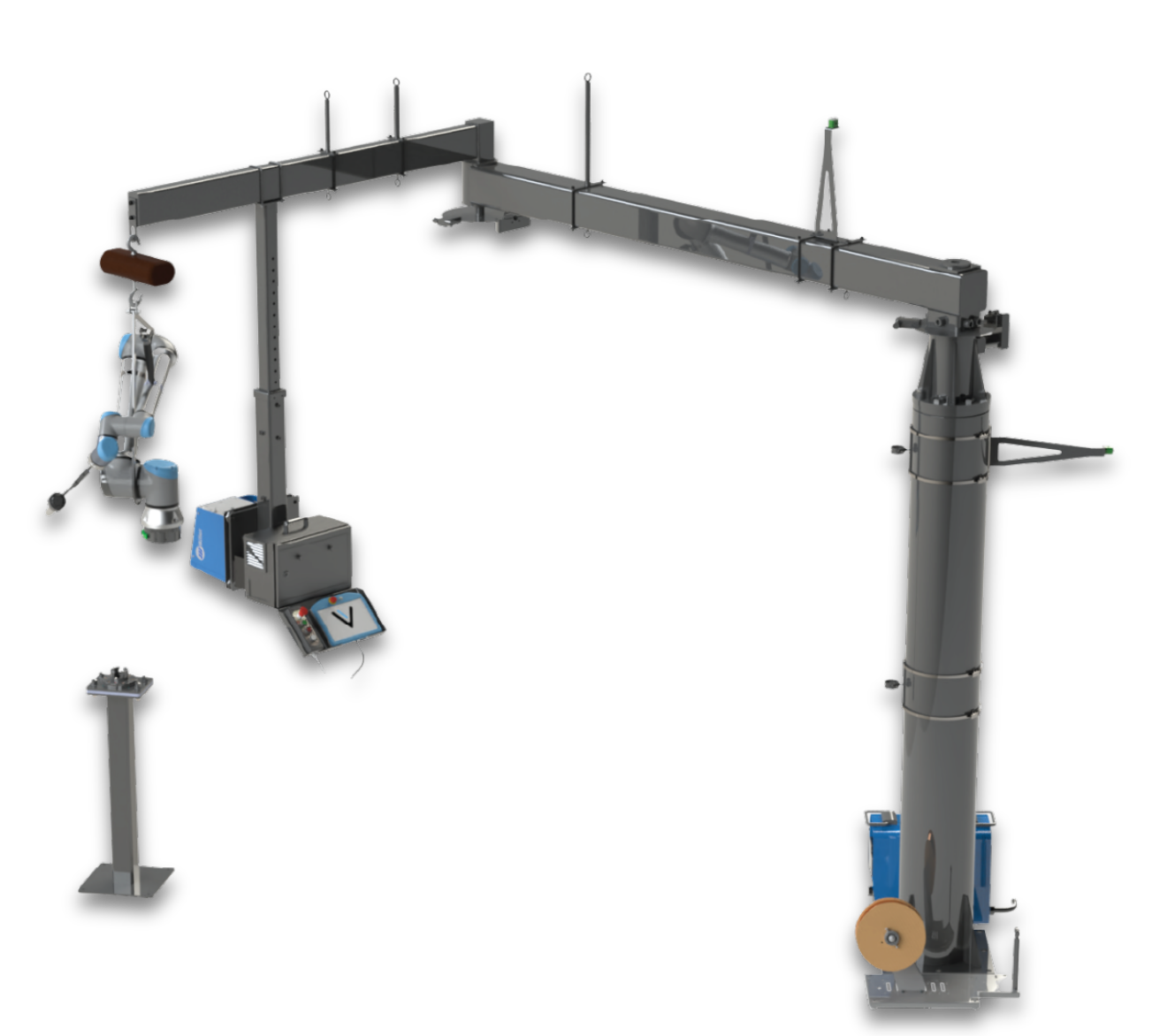
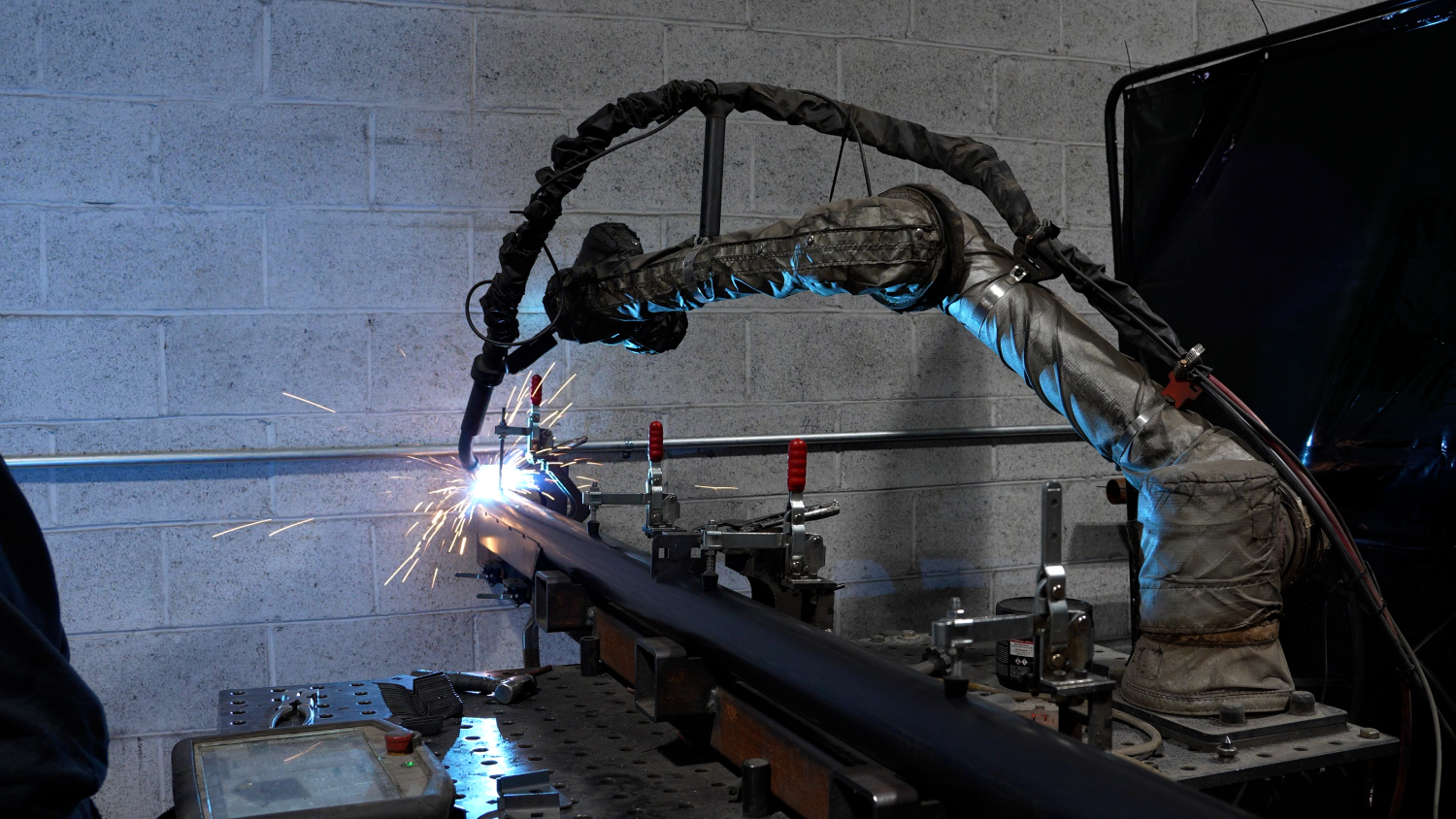
Compatible with a range of mobile cobot-to-part and part-to-cobot deployment options
Flexible Deployment
For Real Production Environments

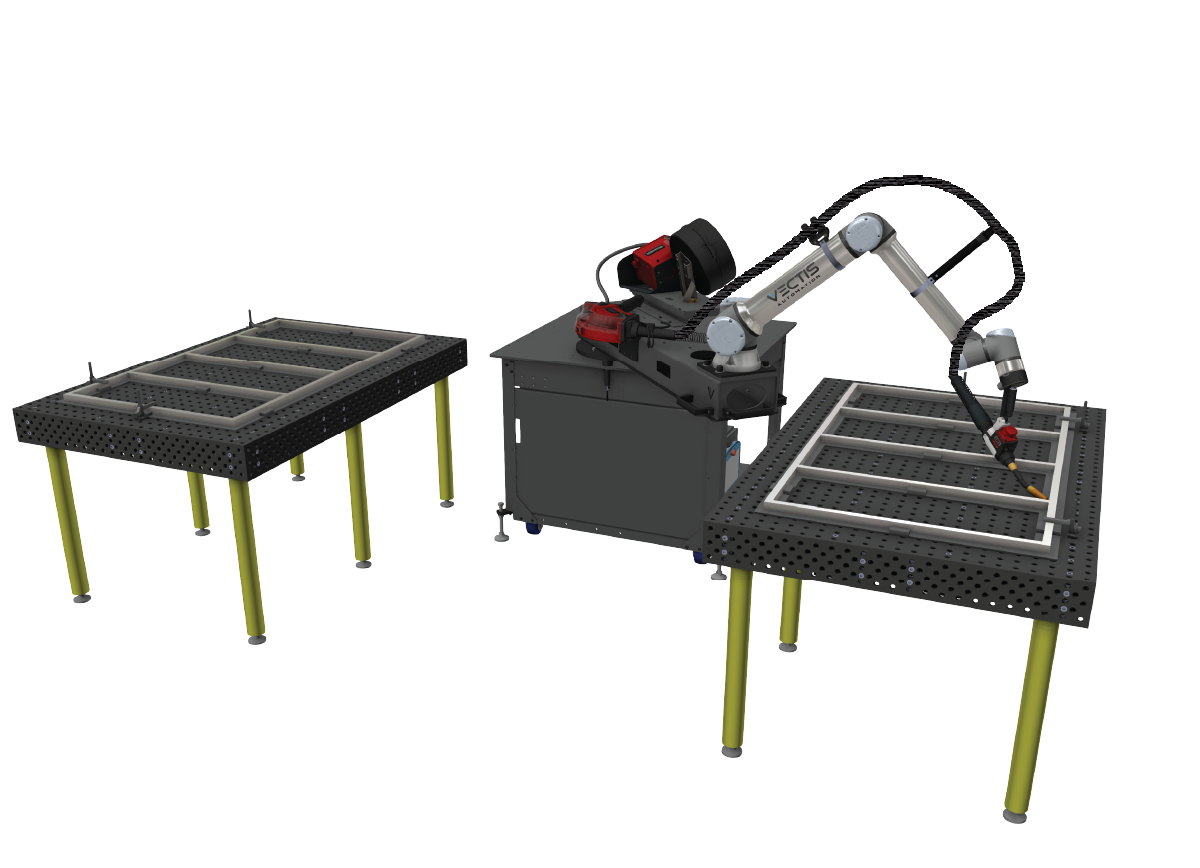
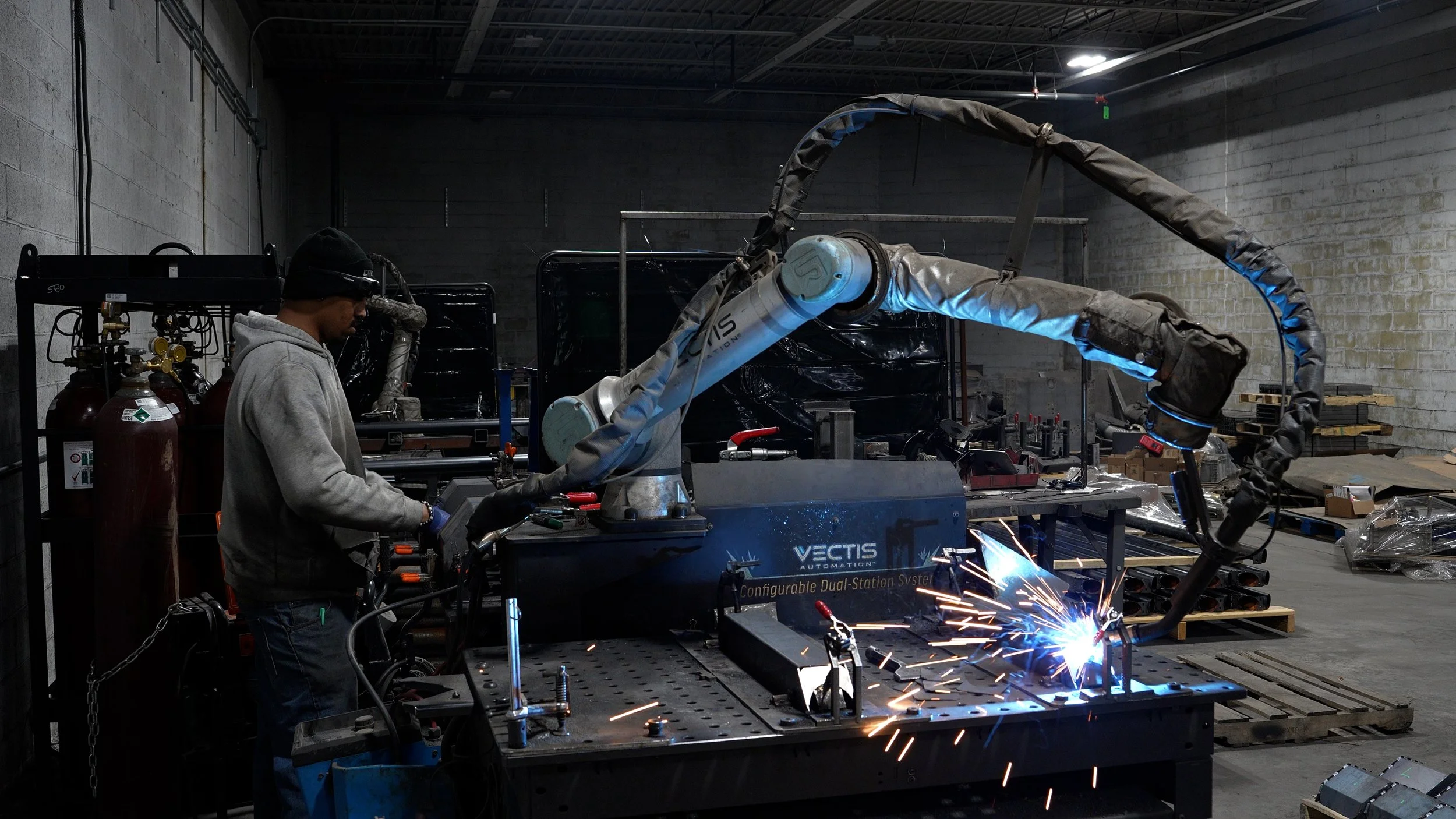
For applications that extend beyond the cart, mobile Vectis systems can be configured with standalone fixture tables or rolled directly to the work. The dual-table layout shown allows operators to fixture or unload one part while the cobot welds in the other work zone, enabling consistent arc-on productivity.
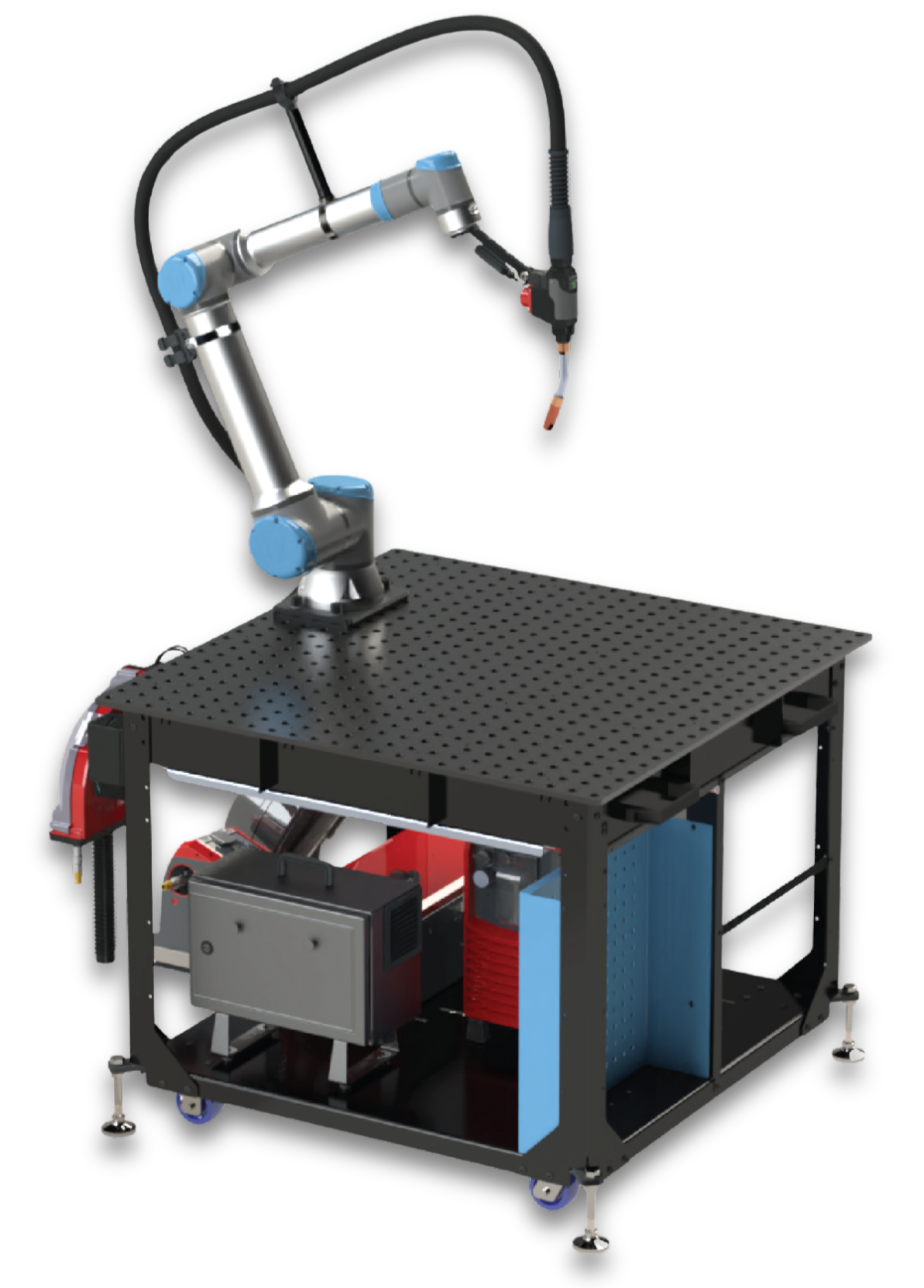
Vectis systems are compatible with a range of mobile cobot-to-part and part-to-cobot deployment options, allowing shops to match the system to their workflow.
Compact, Efficient Workspaces
For Smaller Parts
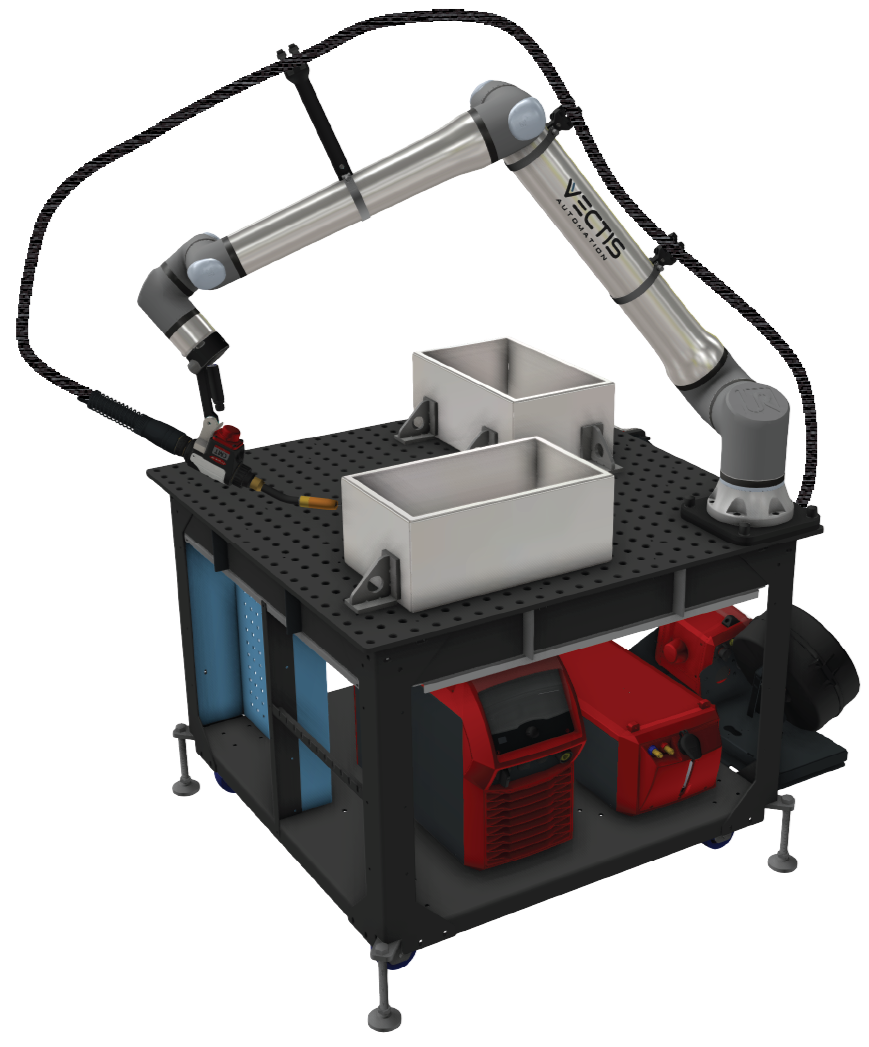
For smaller parts and subassemblies, on-table applications offer a compact and efficient workspace. The cart-based deployment shown provides a practical, mobile workspace for repeatable weldments such as boxes, brackets, and other compact fabricated assemblies.
Built Around Application Support and Long-Term Success
Backed by a team with centuries of combined automation experience, Vectis works with manufacturers to determine when an application is a viable fit for cobot automation.
Built Around Application Support and Long-Term Success
Our focused team of application experts offers lifetime support with:
Weld recipe development
Programming best practices
Layout recommendations for your parts and workflow
Ongoing guidance from our applications team as your needs evolve
Is This a Good Fit for Your Applications?
Vectis works with manufacturers to determine when an application is a viable fit for cobot automation.
When aluminum cobot welding is a good fit:




Repetitive aluminum weldments
Parts creating throughput bottlenecks
Welds where appearance and consistency matter
Long welds that demand repeatability from start to finish

Work that pulls skilled welders away from higher-value tasks
Very low volume, one-off parts
Parts creating throughput bottlenecks
When aluminum cobot welding is NOT a good fit:
Highly complex welds requiring constant manual correction
Common Questions About Cobot Welding Production
Is MIG or TIG better for aluminum automation?
MIG welding is generally easier to automate, easier to keep consistent in production, and well-suited for longer or repetitive welds where throughput matters.
That’s why many fabricators move repeatable TIG work to automated MIG: to help increase output, improve consistency, and free skilled welders to focus on the work that needs their hands and experience most.
What aluminum thicknesses work best with cobot welding?
MIG welding is generally easier to automate, easier to keep consistent in production, and well-suited for longer or repetitive welds where throughput matters.
That’s why many fabricators move repeatable TIG work to automated MIG: to help increase output, improve consistency, and free skilled welders to focus on the work that needs their hands and experience most.
Do I need a dedicated operator?
Not necessarily. A cobot welding system needs a trained team member to set up jobs, load parts, monitor weld quality, and make adjustments when needed. But the goal is not to take a skilled welder out of the equation. It is to give that person a tool that can handle repetitive arc time while they stay focused on higher-value work across the shop.